The triad — letting go of perfection
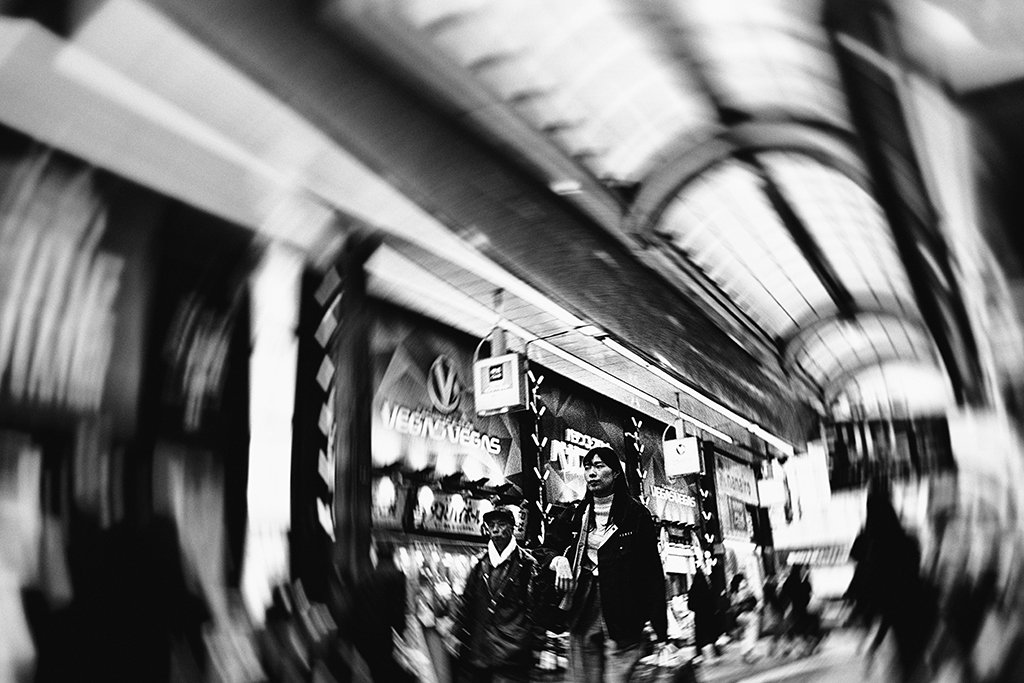
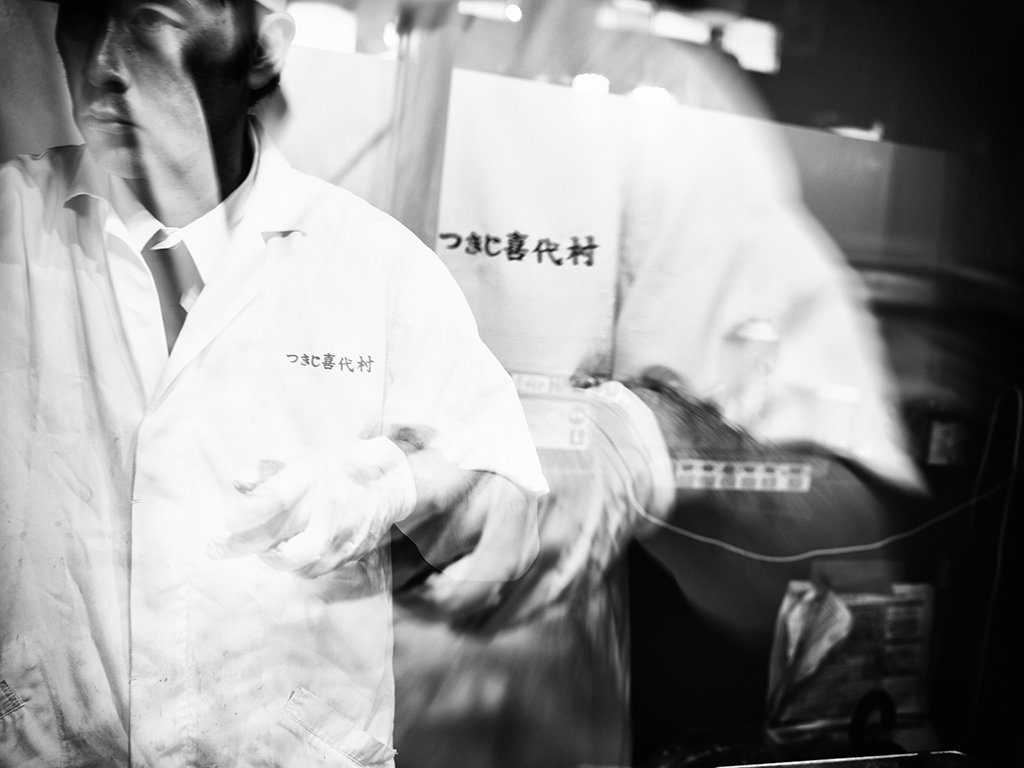
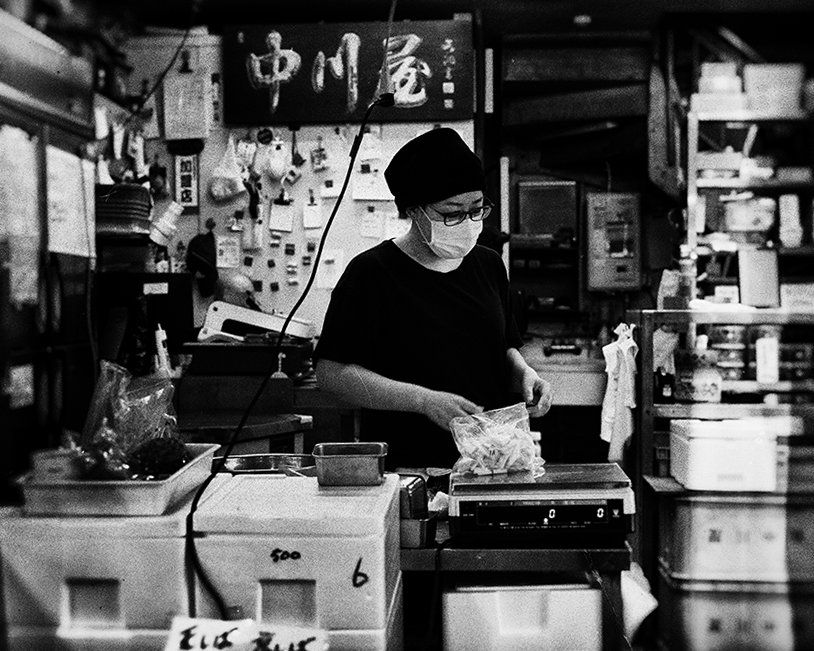
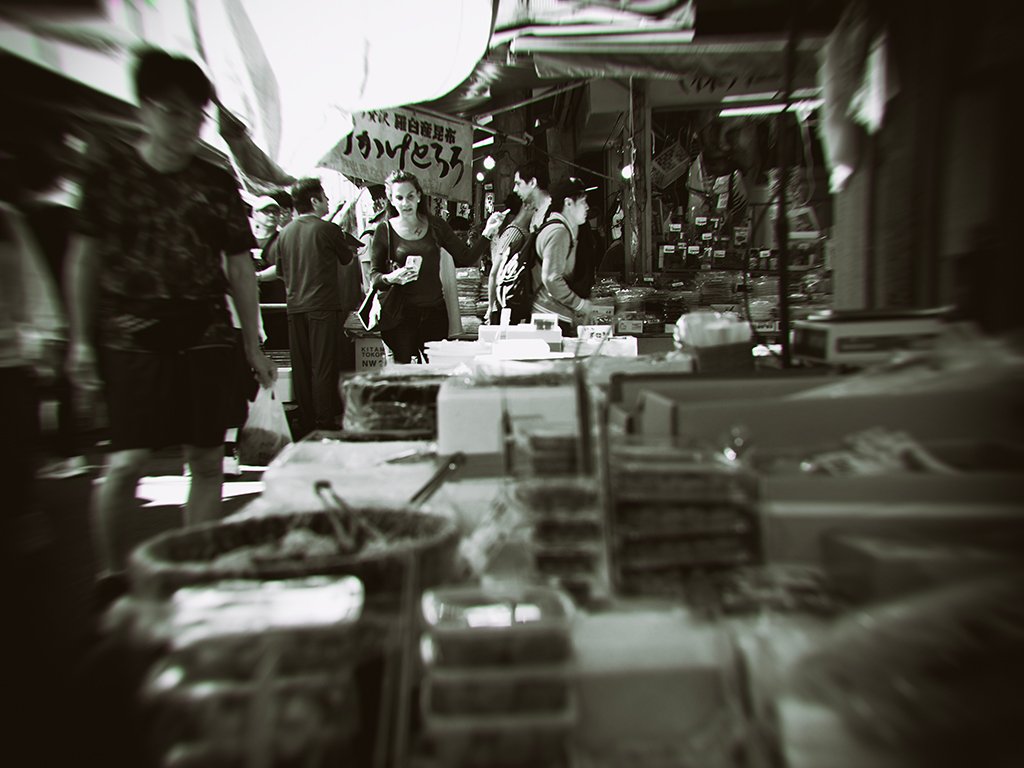
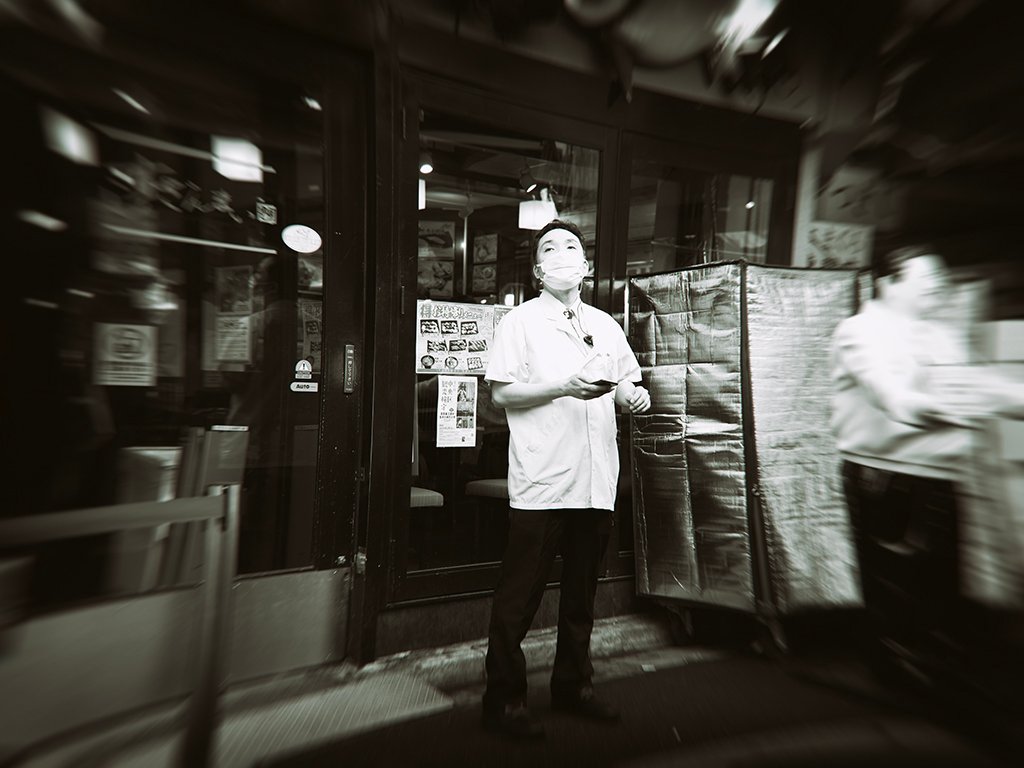
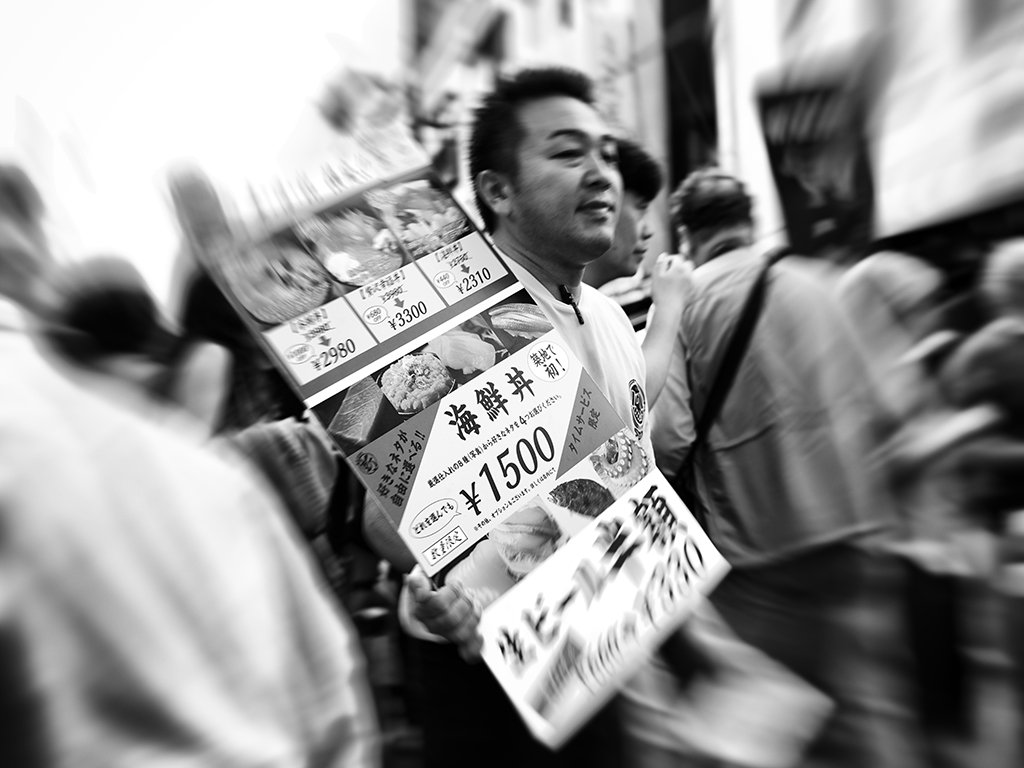
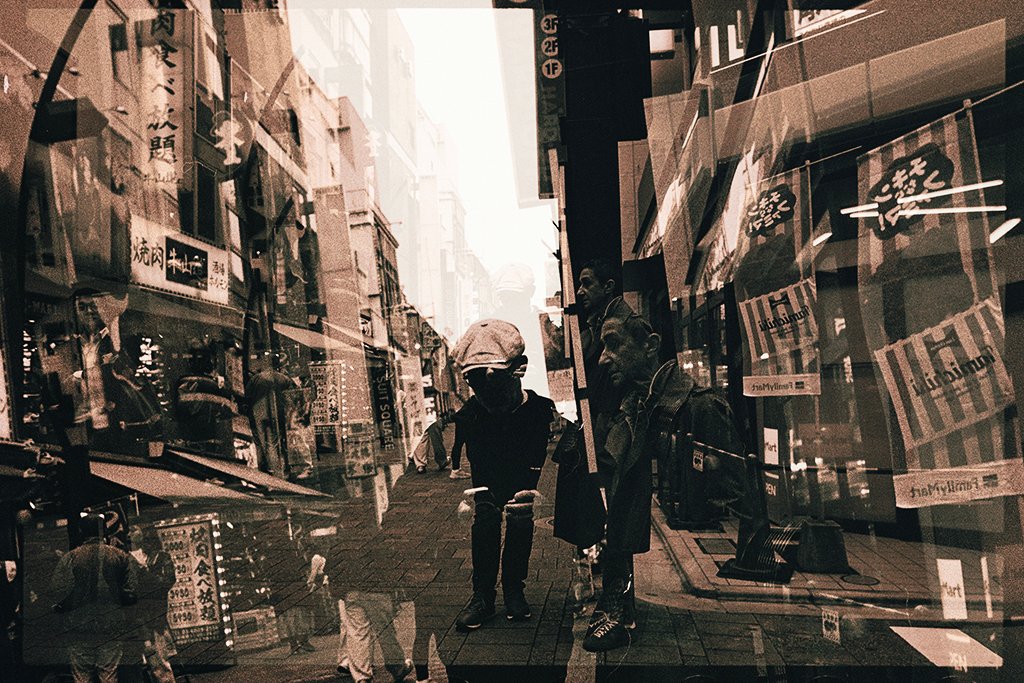
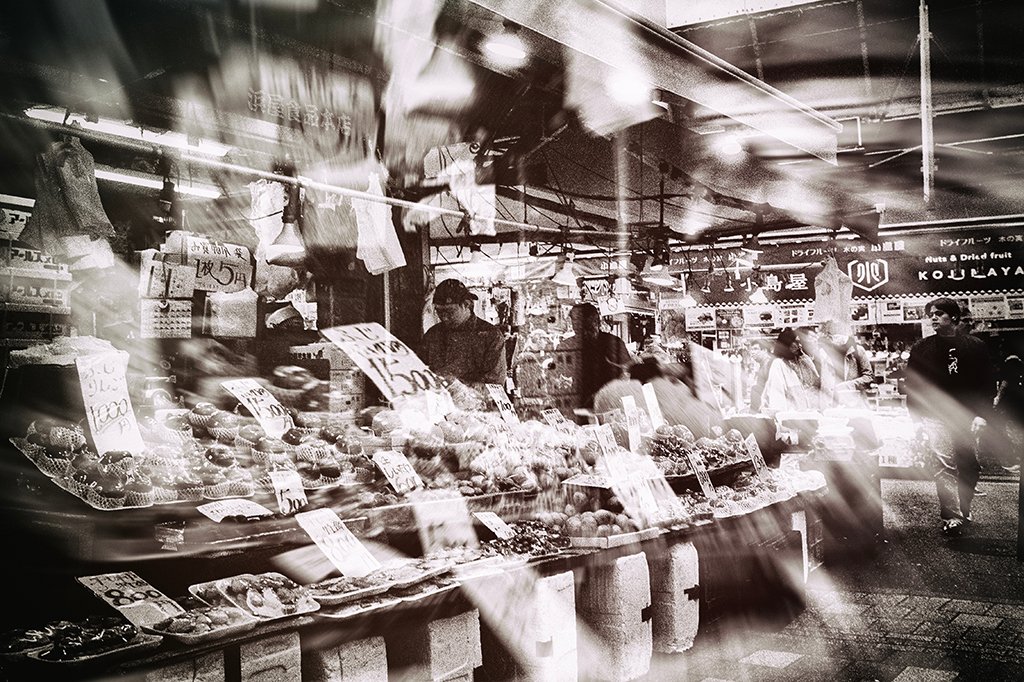
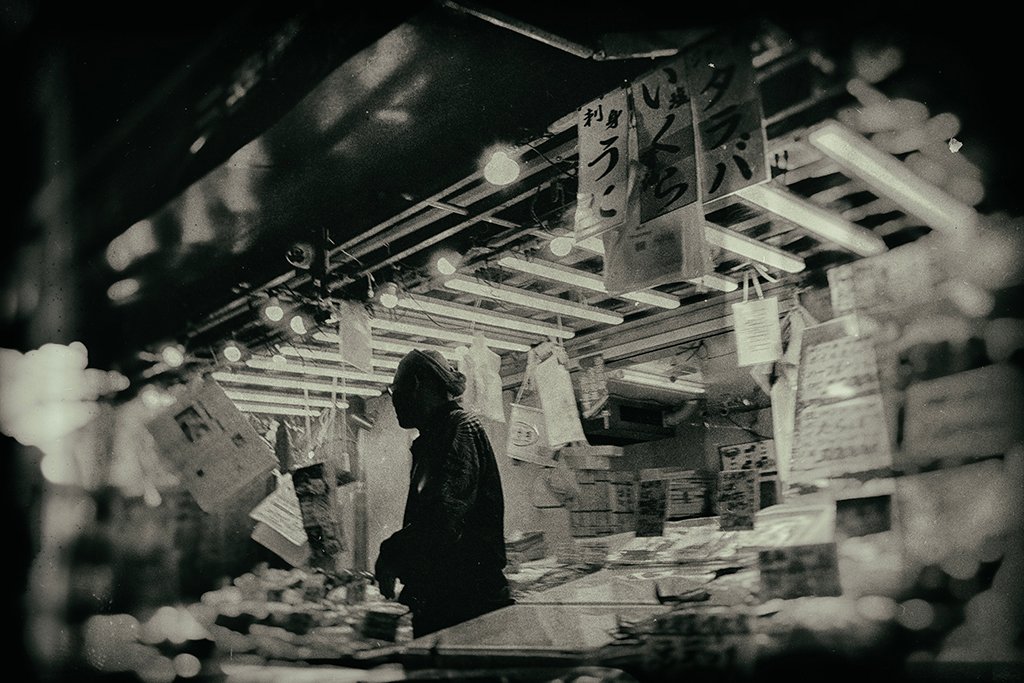
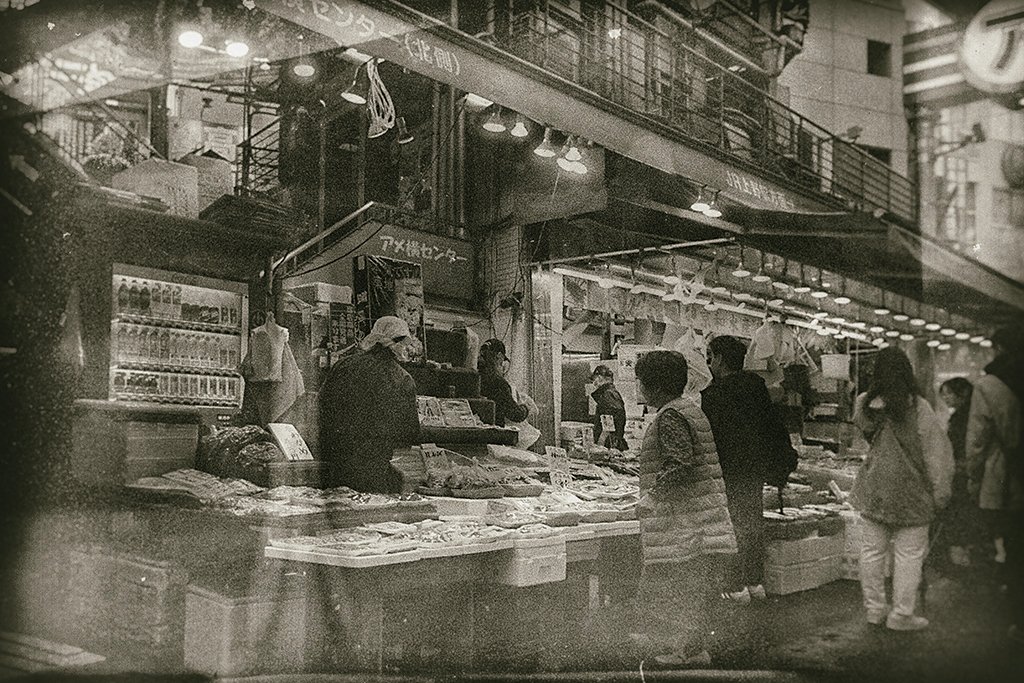
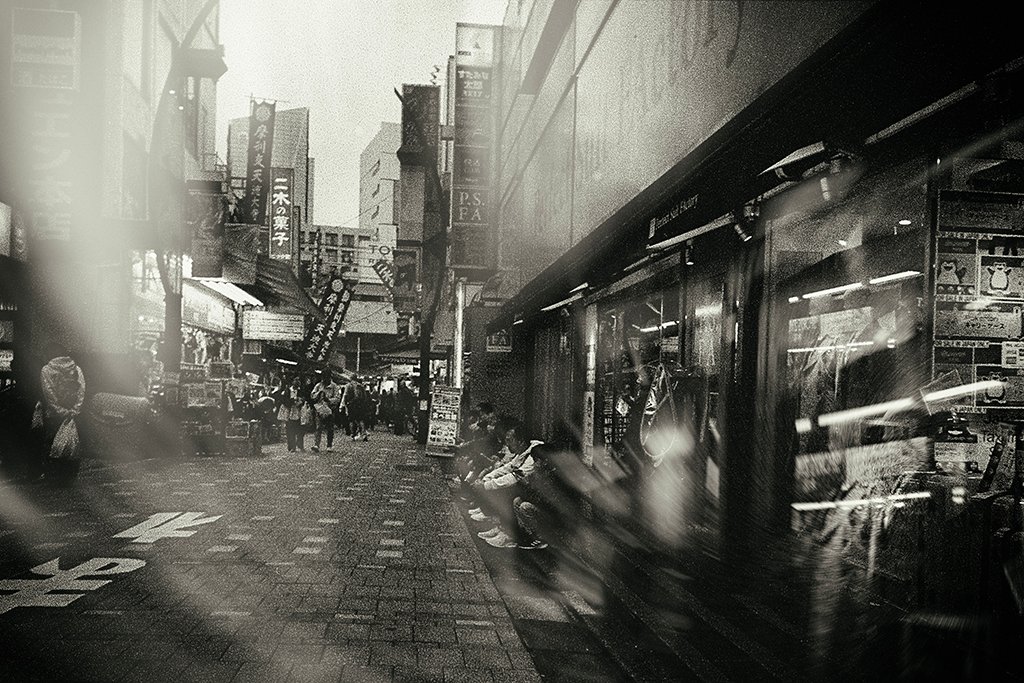
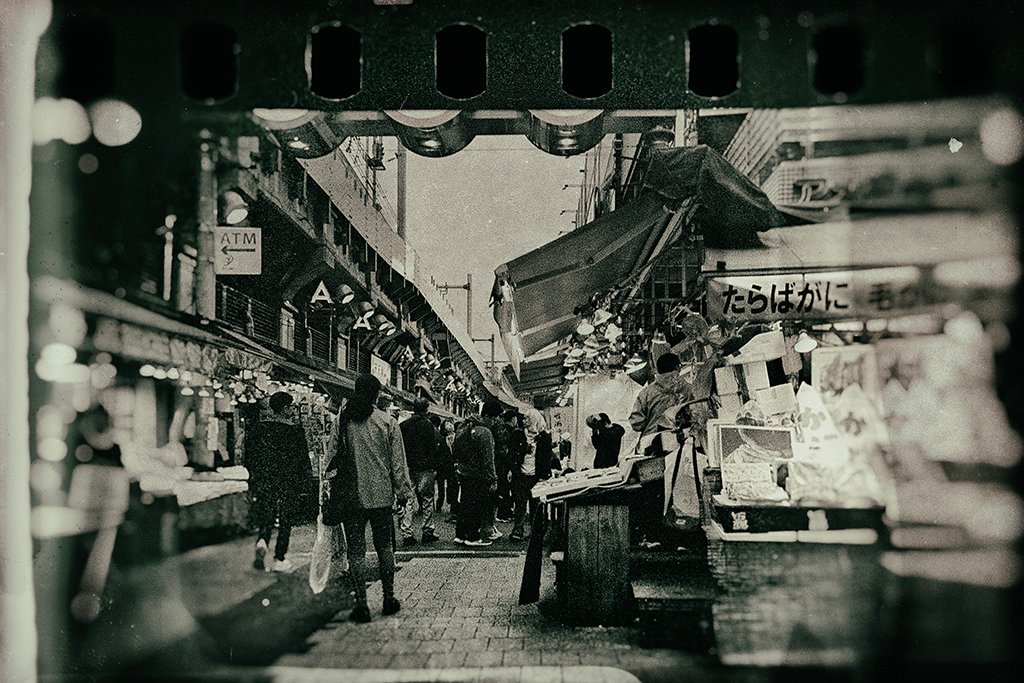
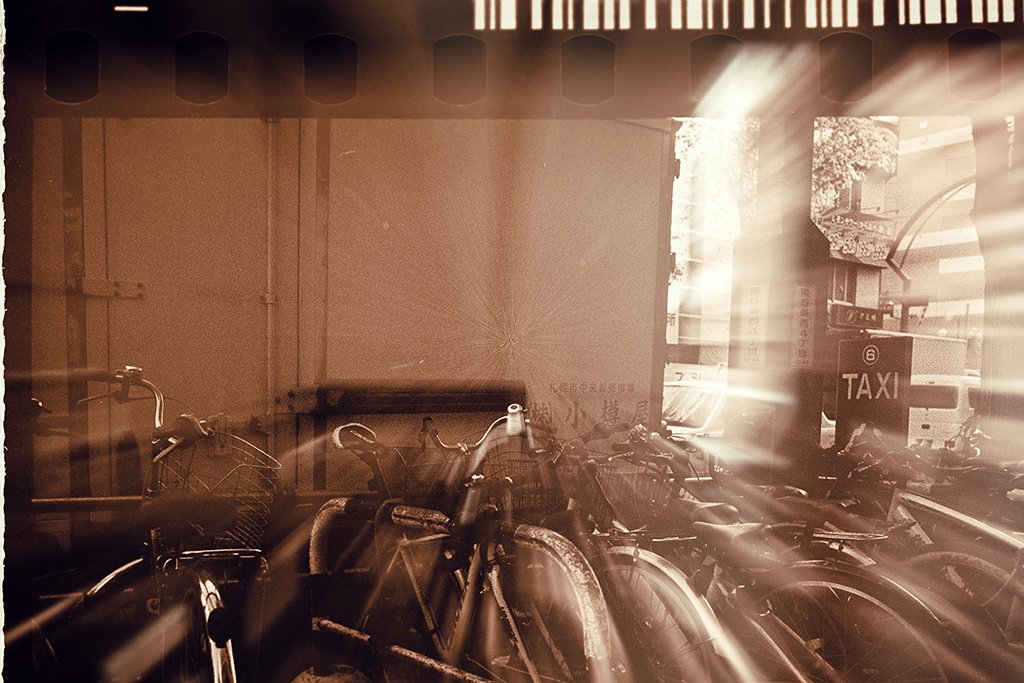
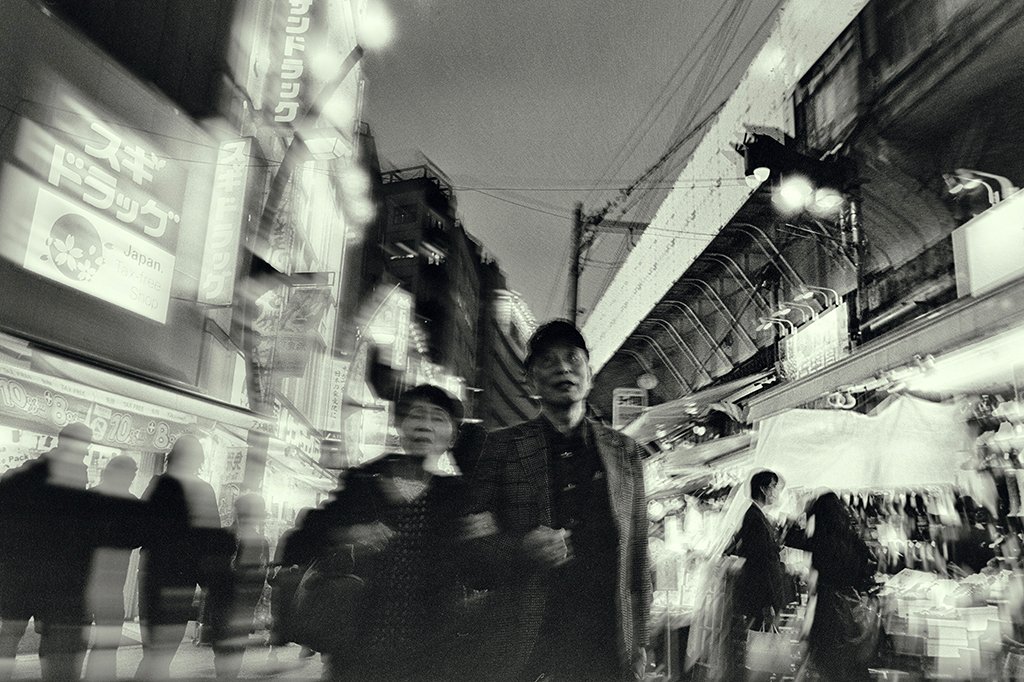
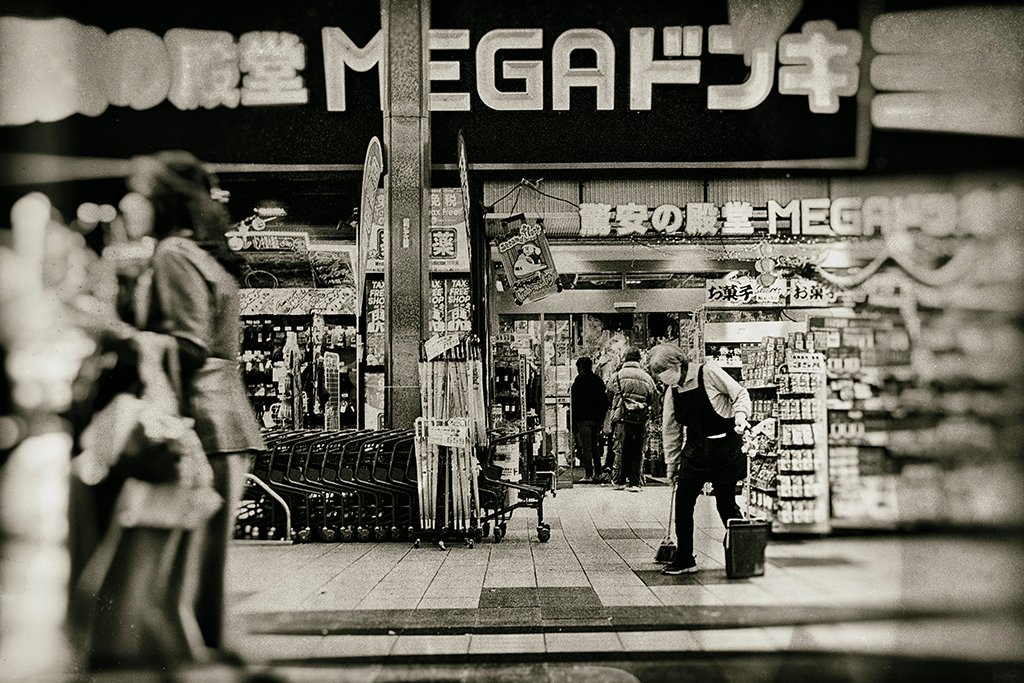
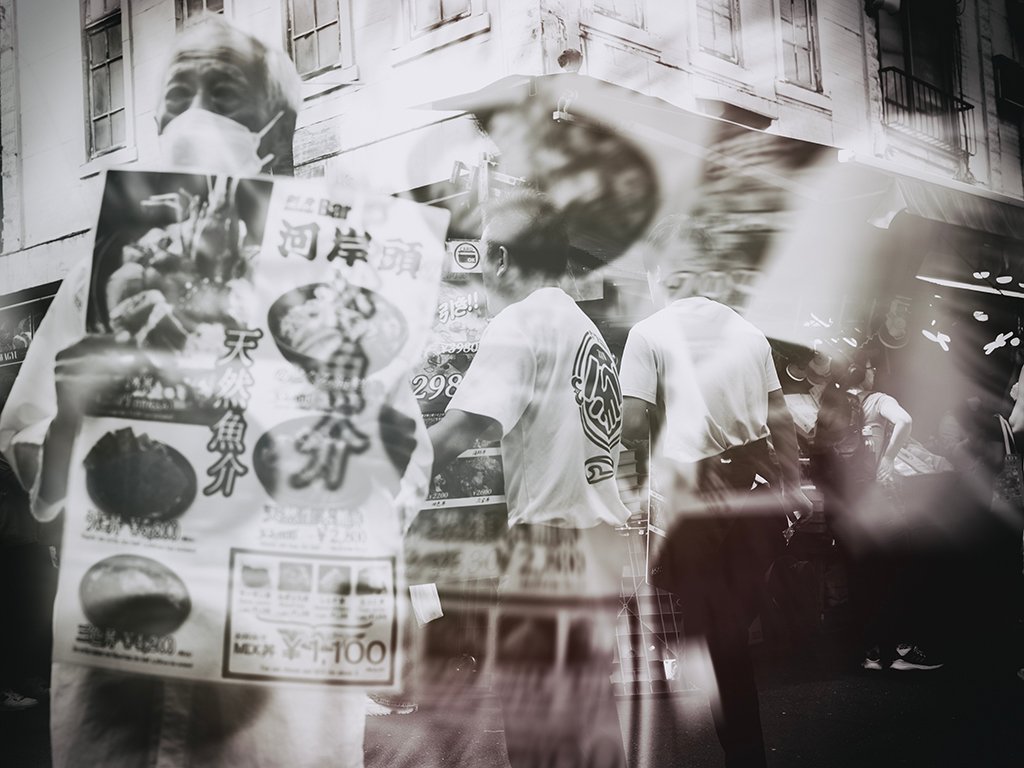
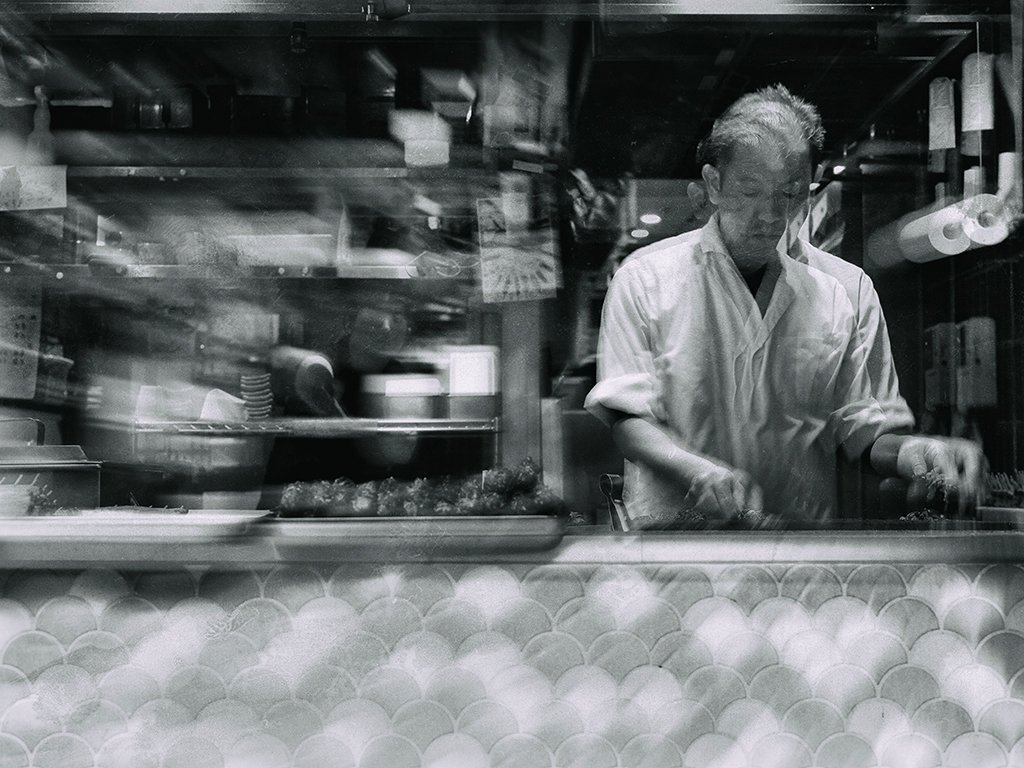
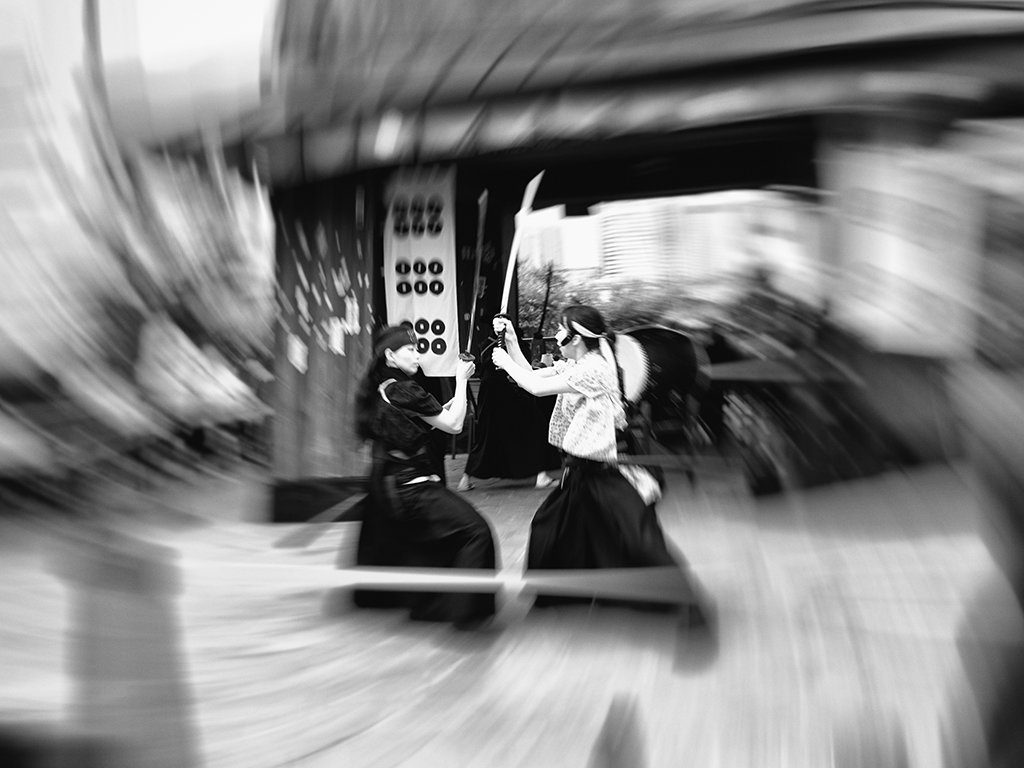
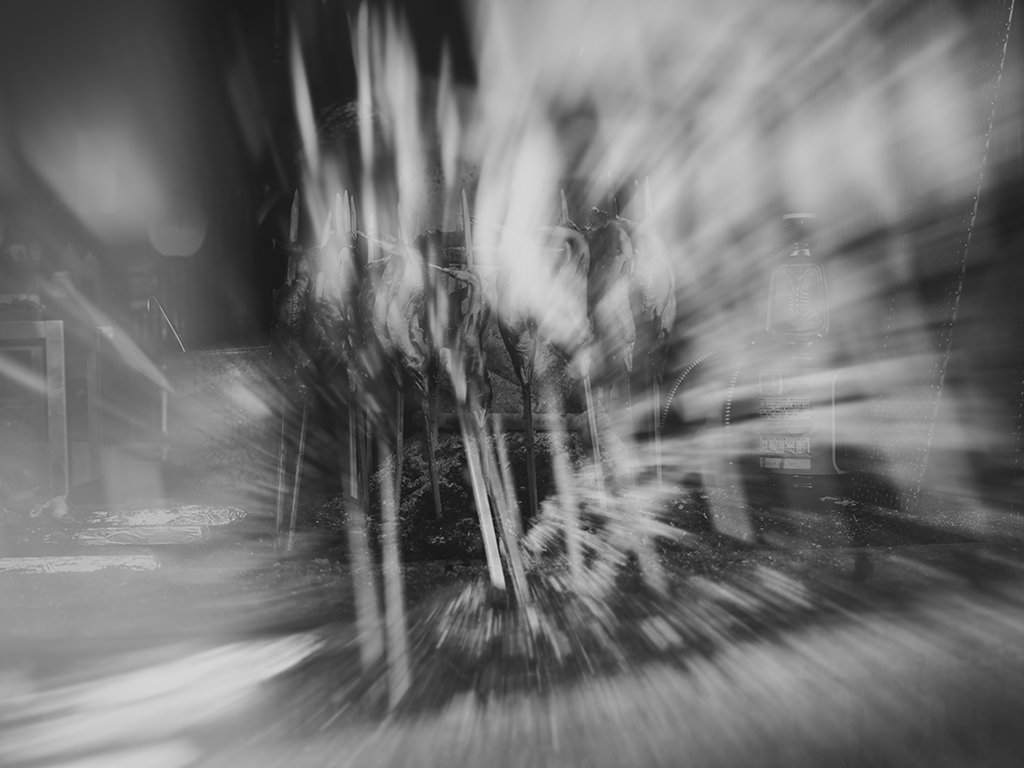
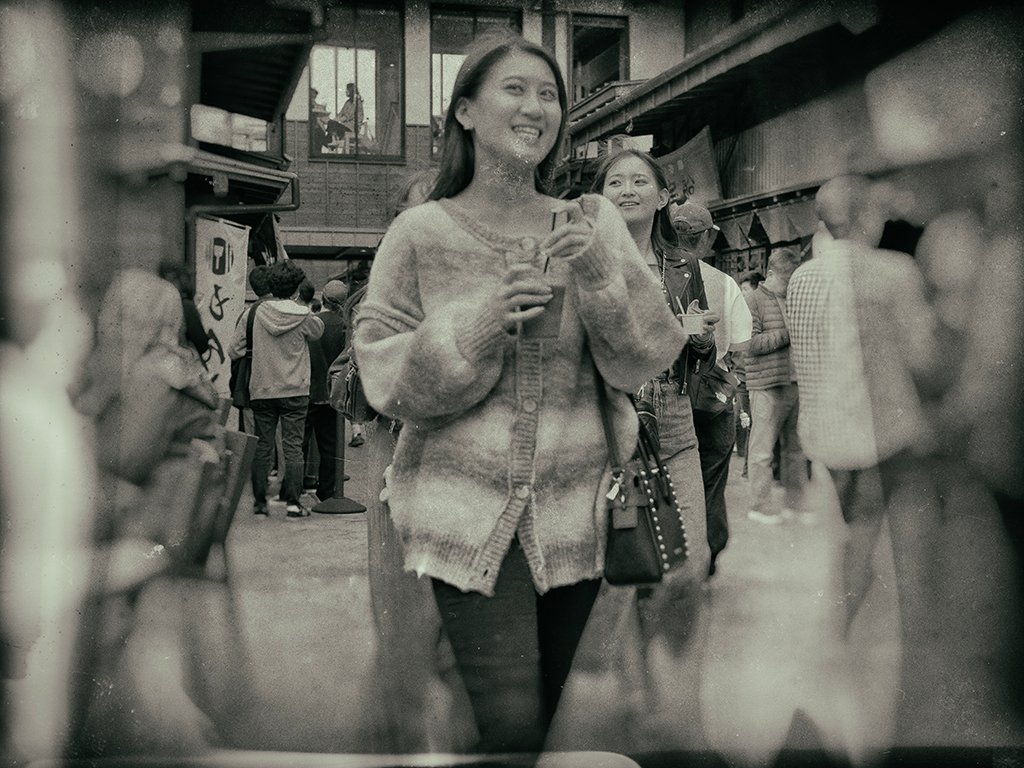
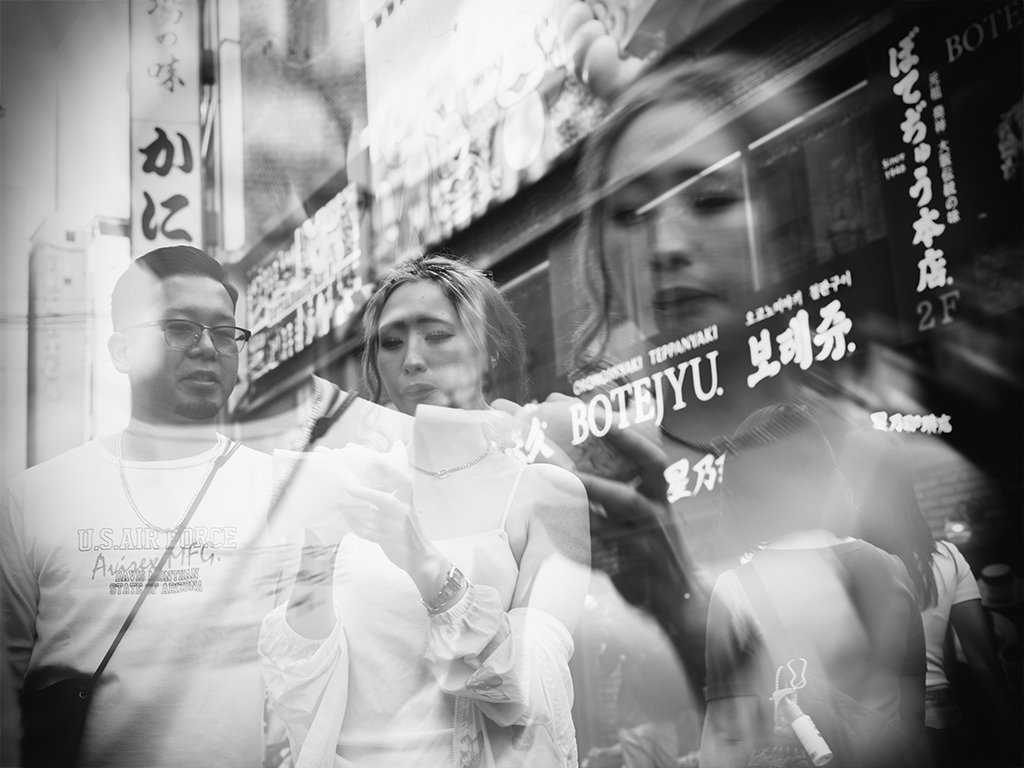
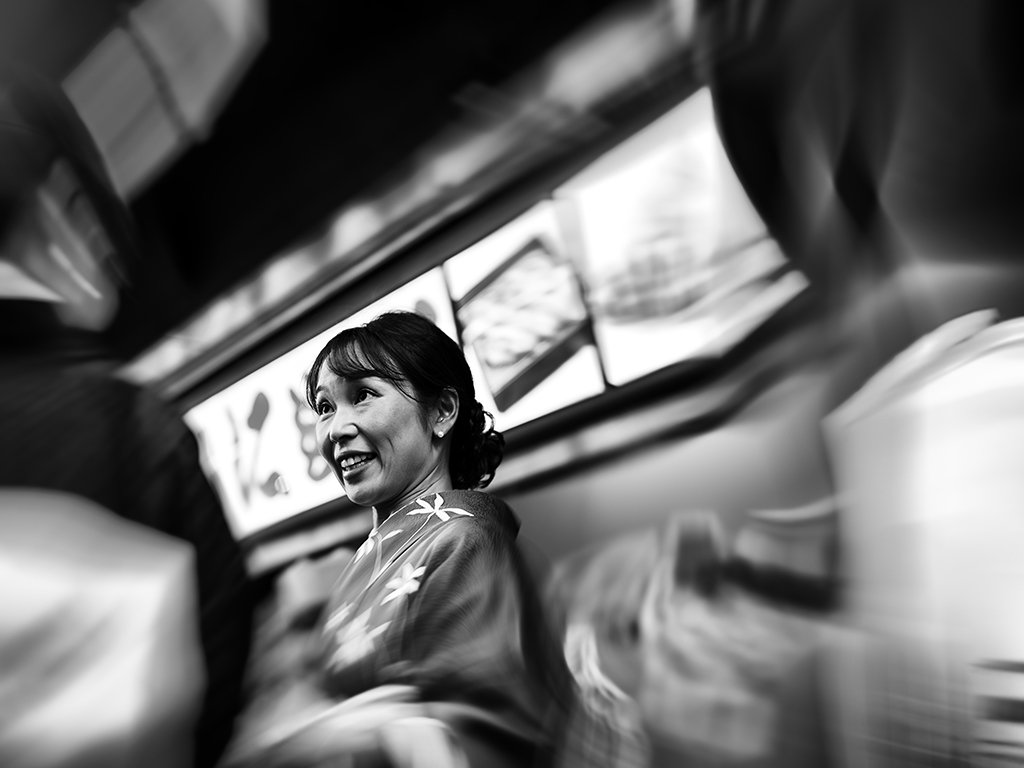
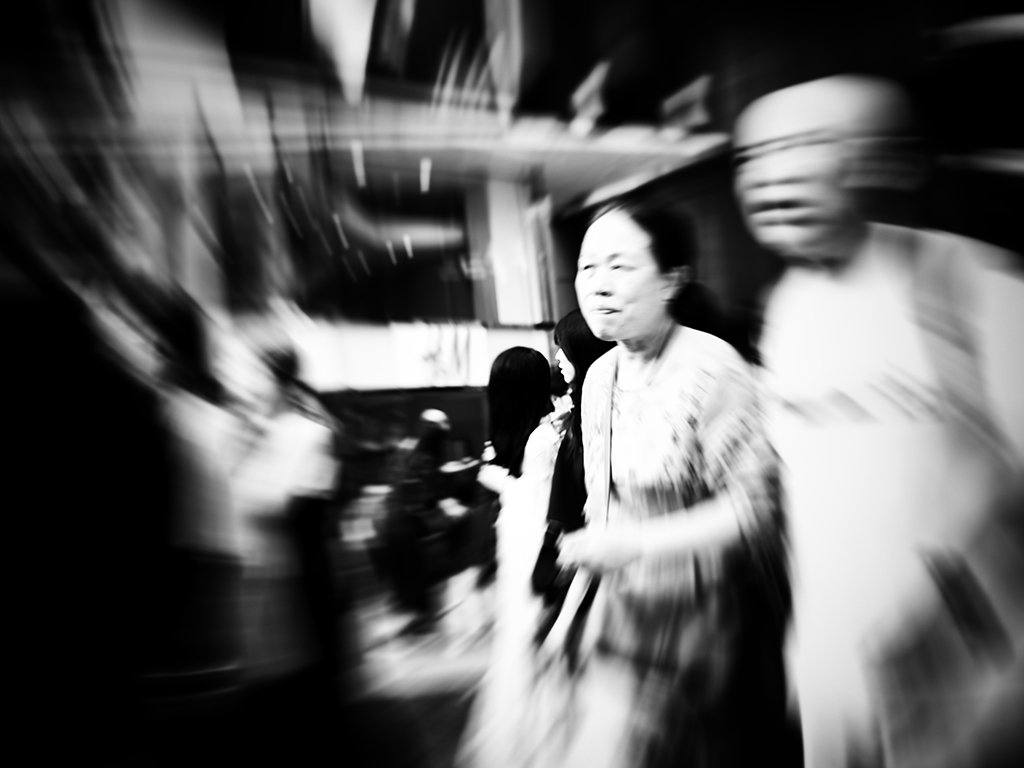
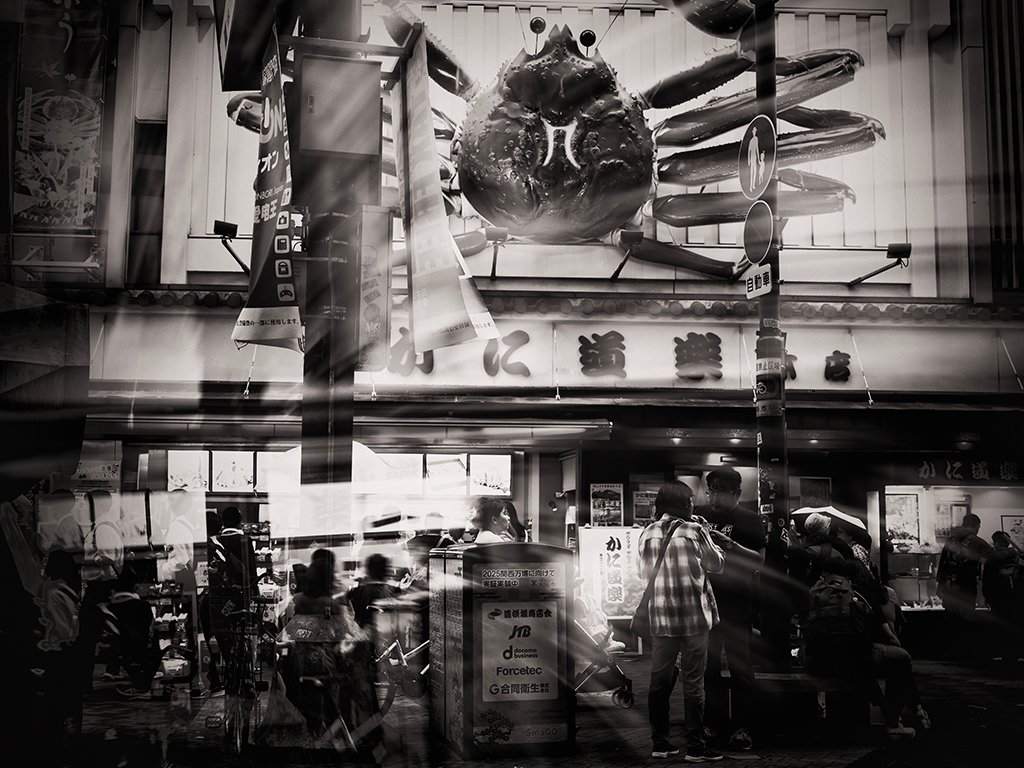
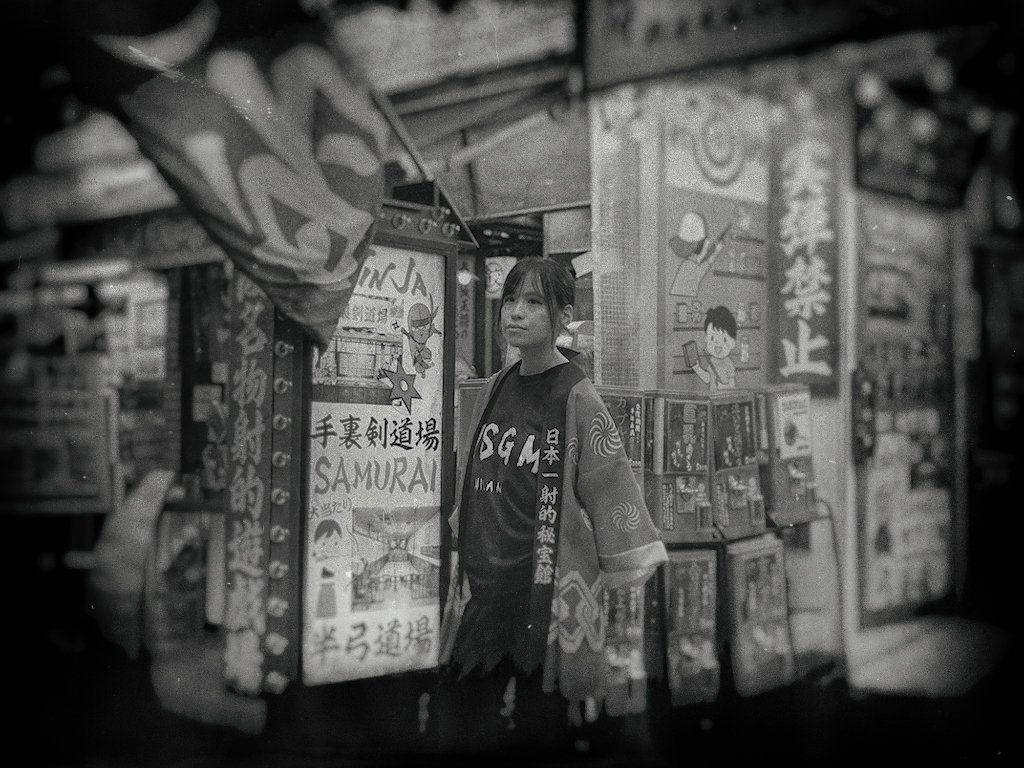
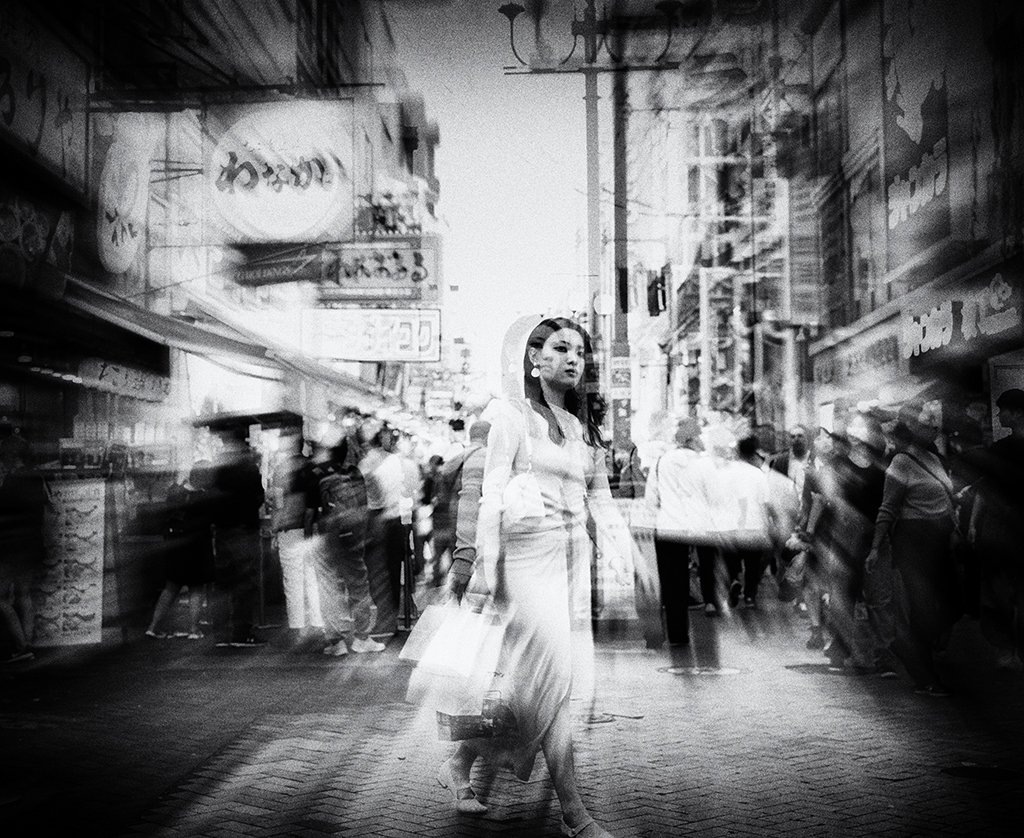
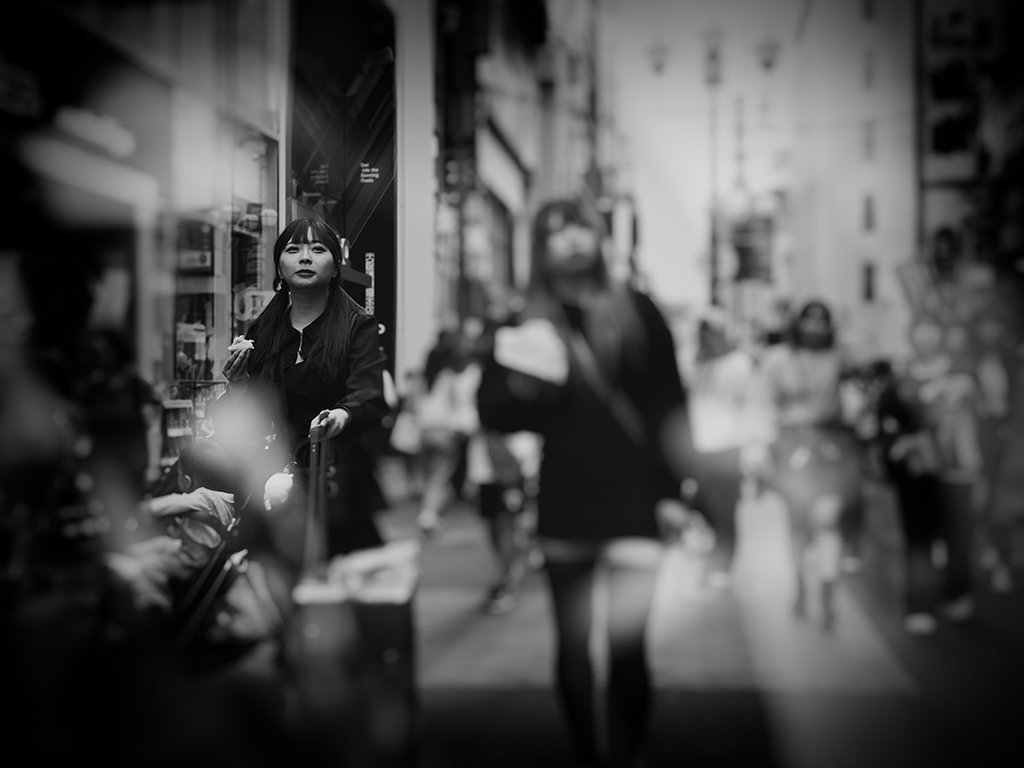
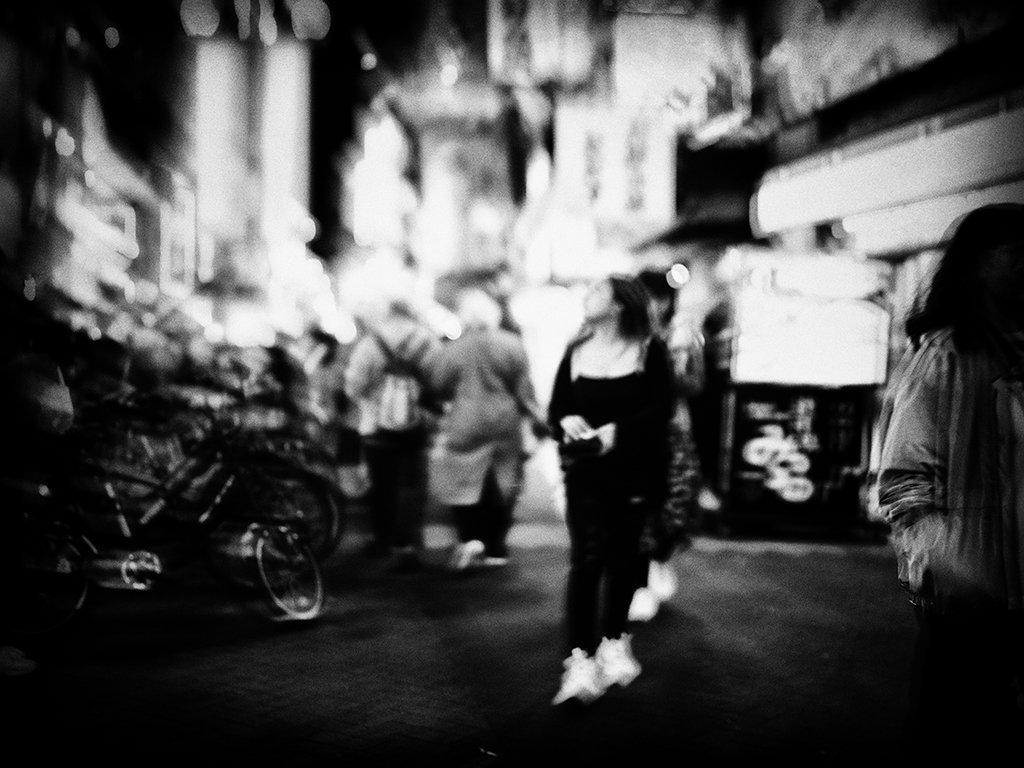
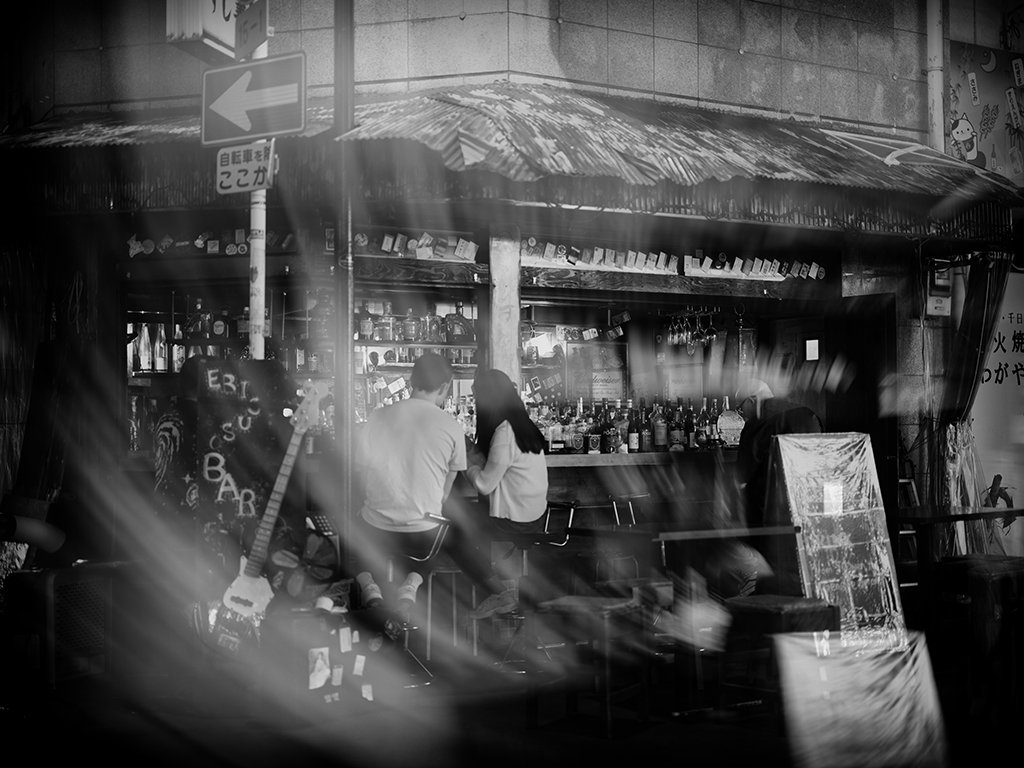
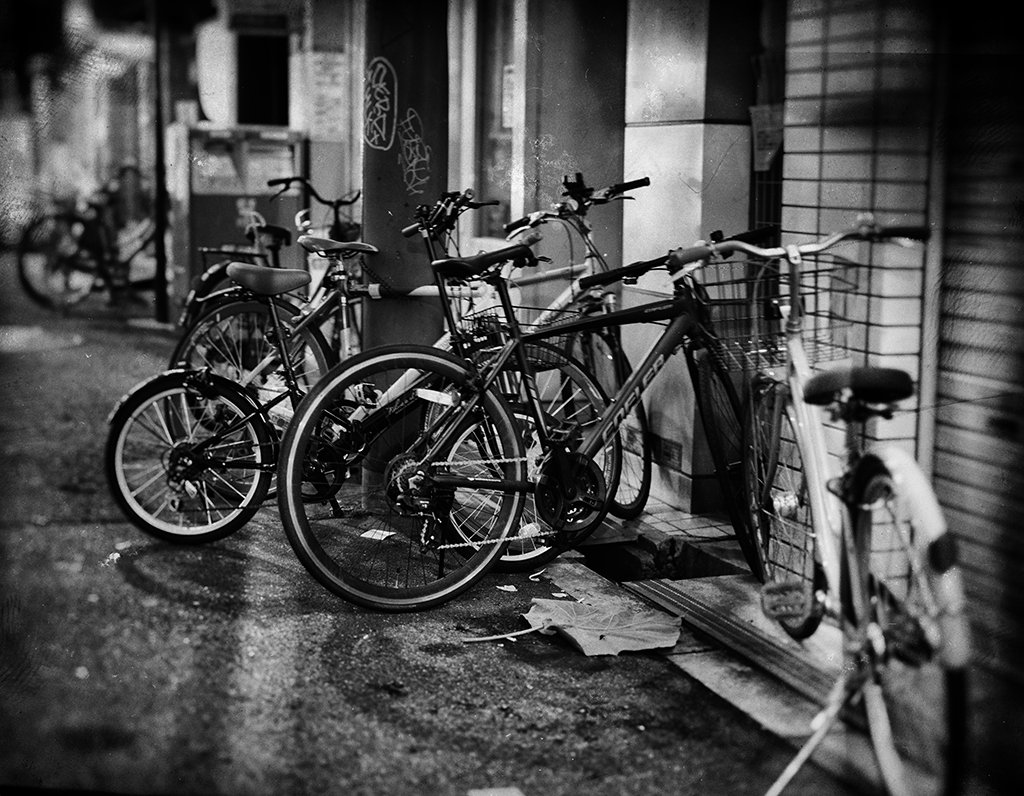
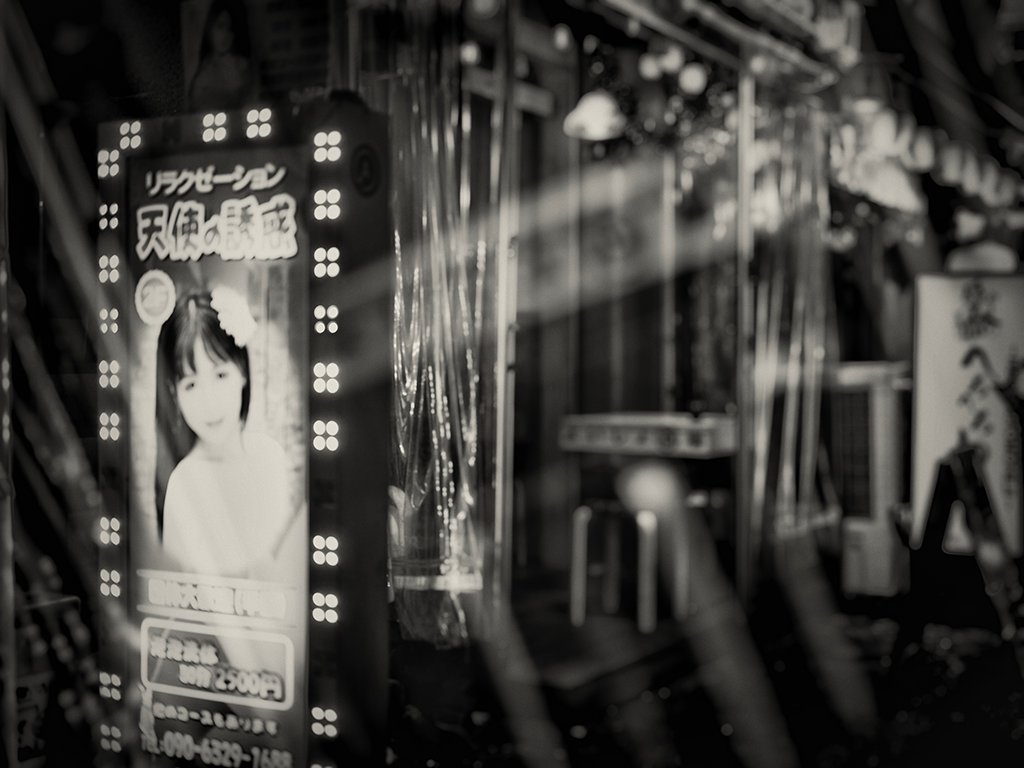
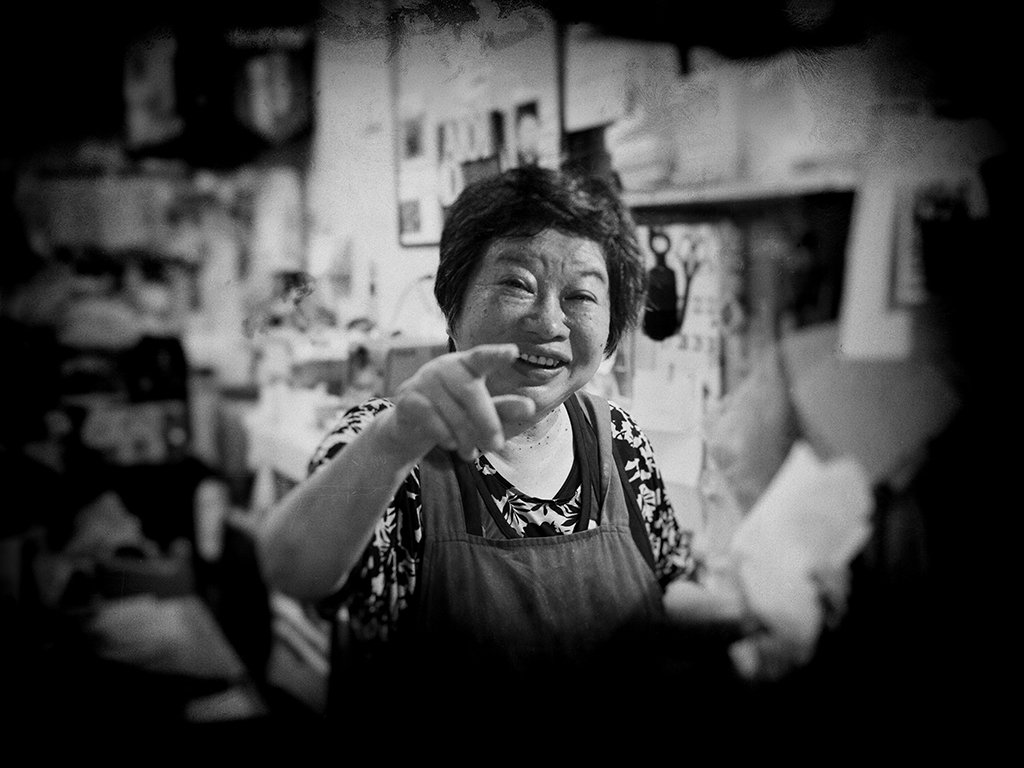
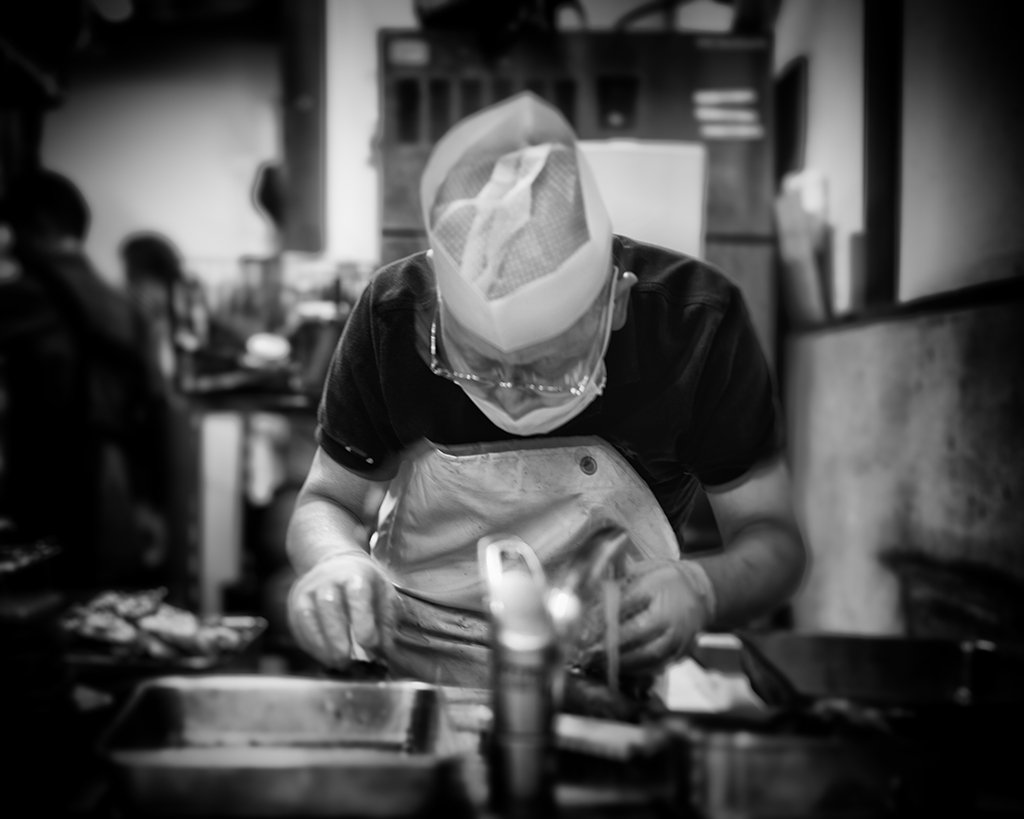
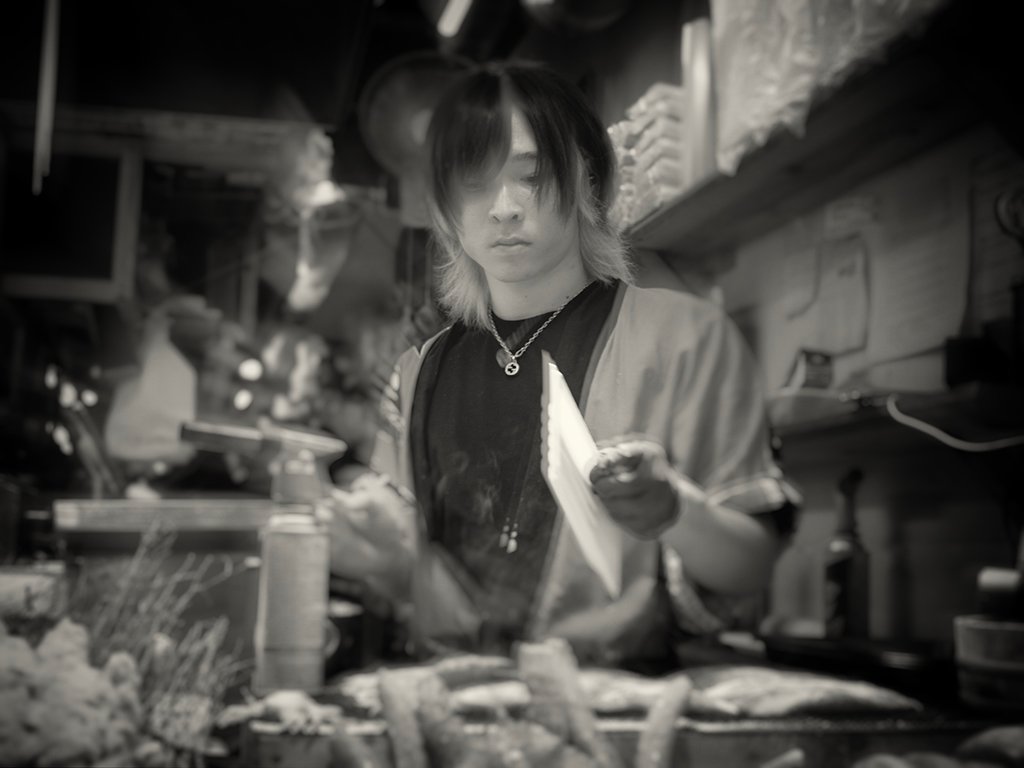
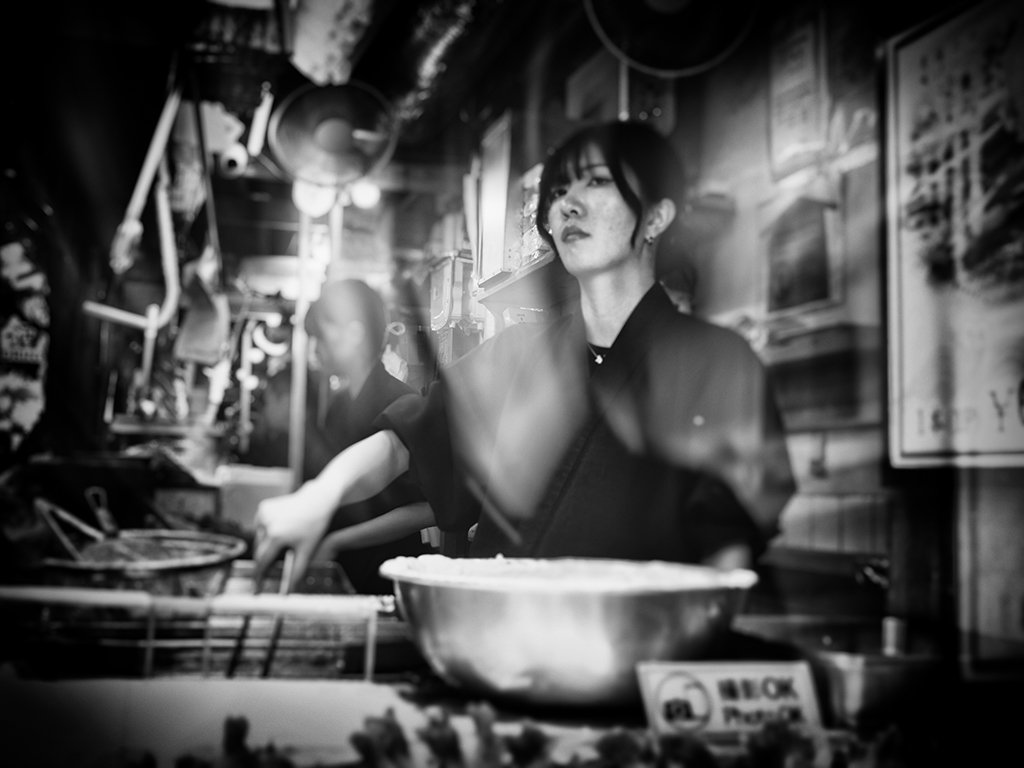
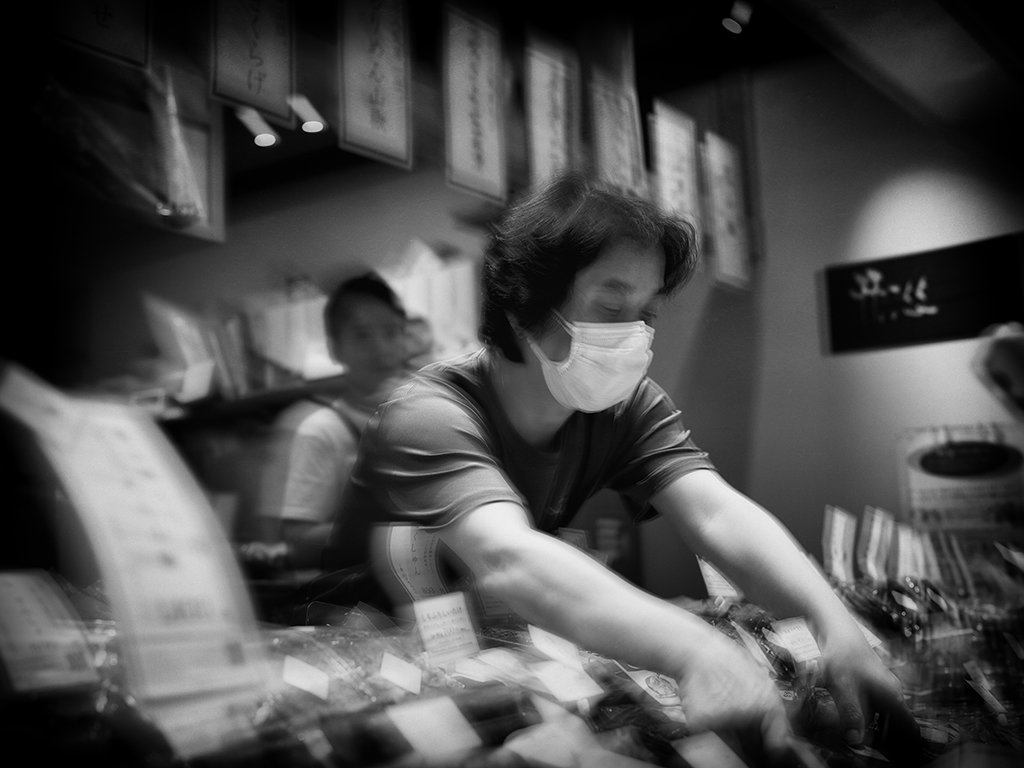
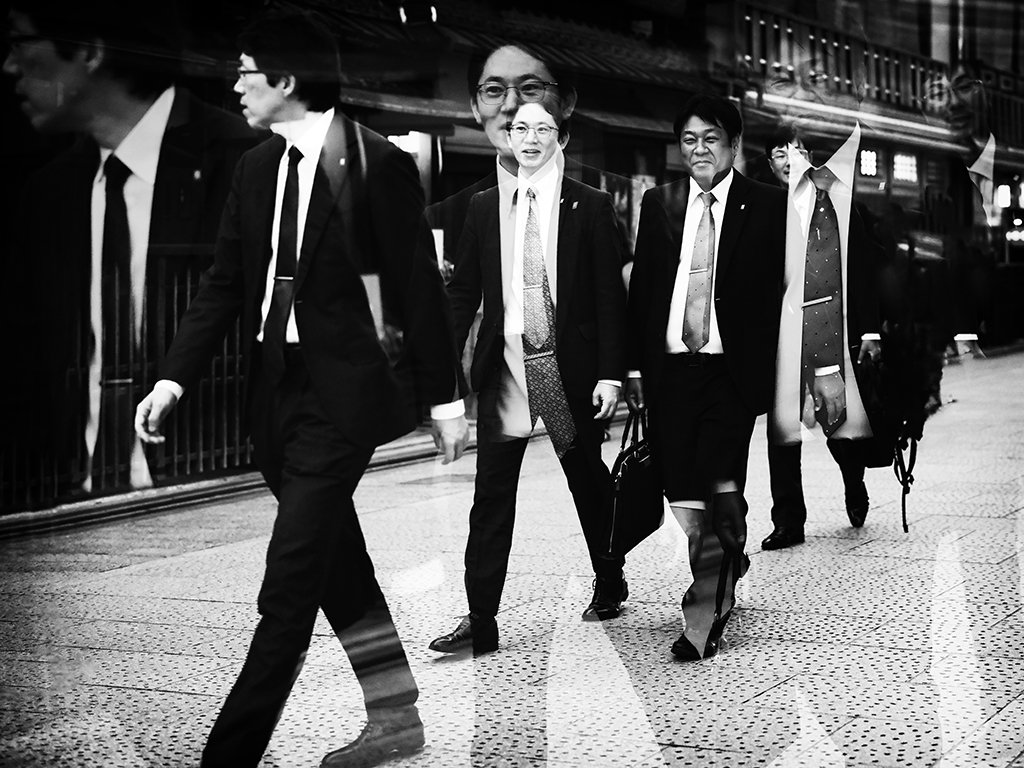
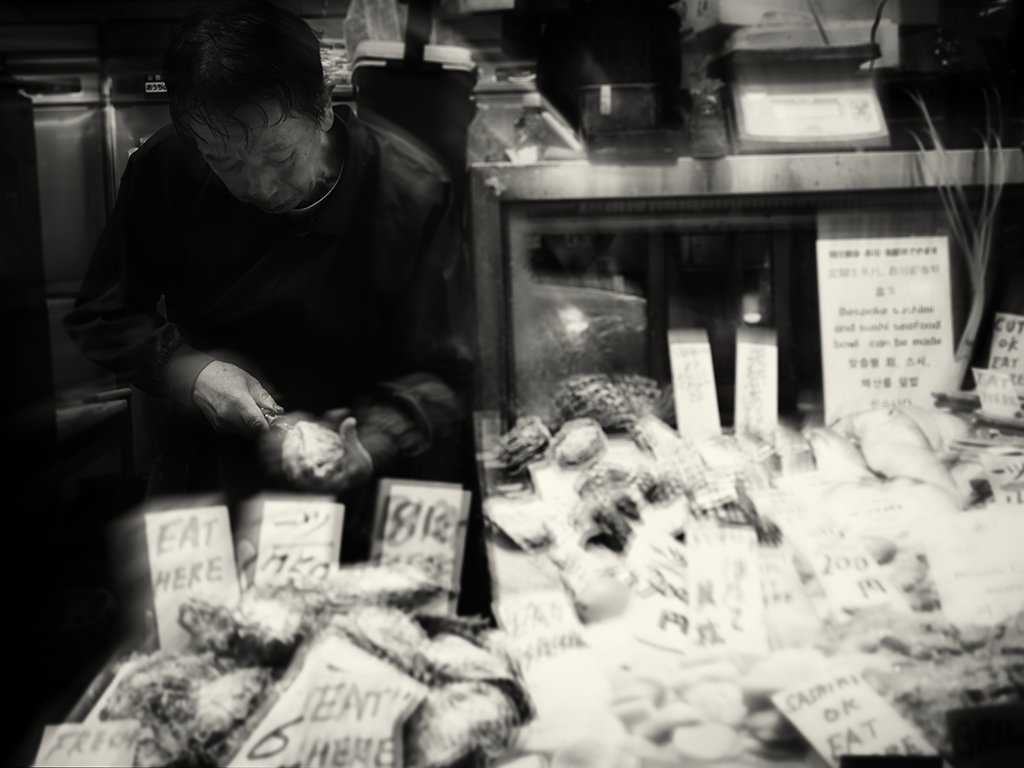
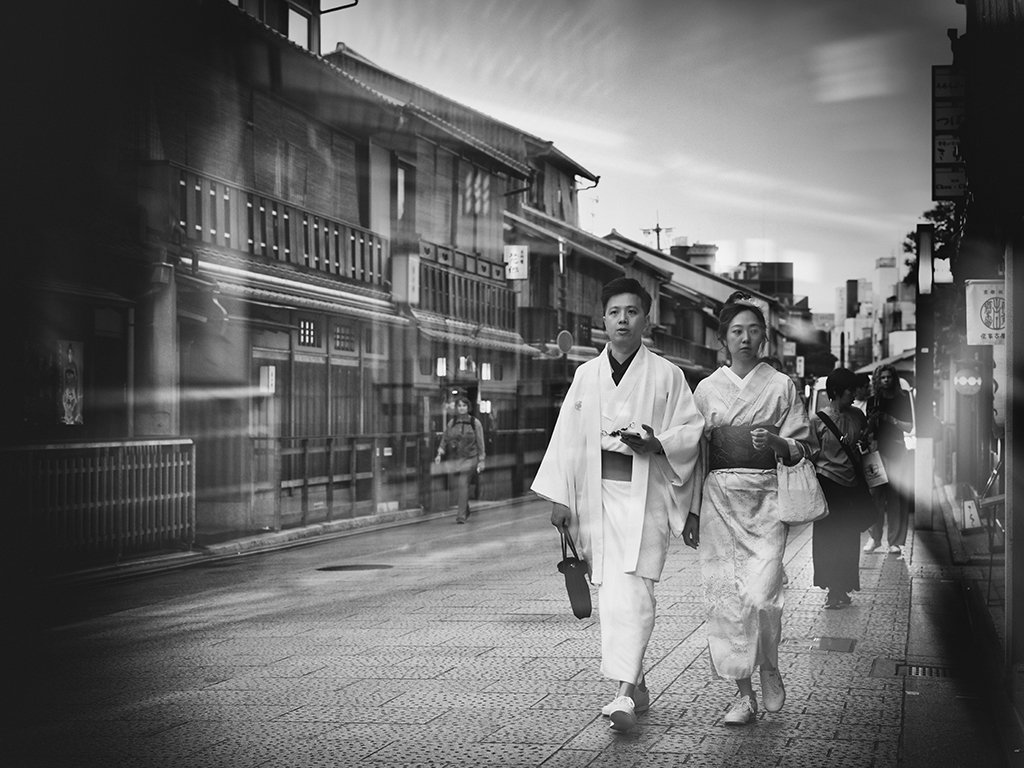
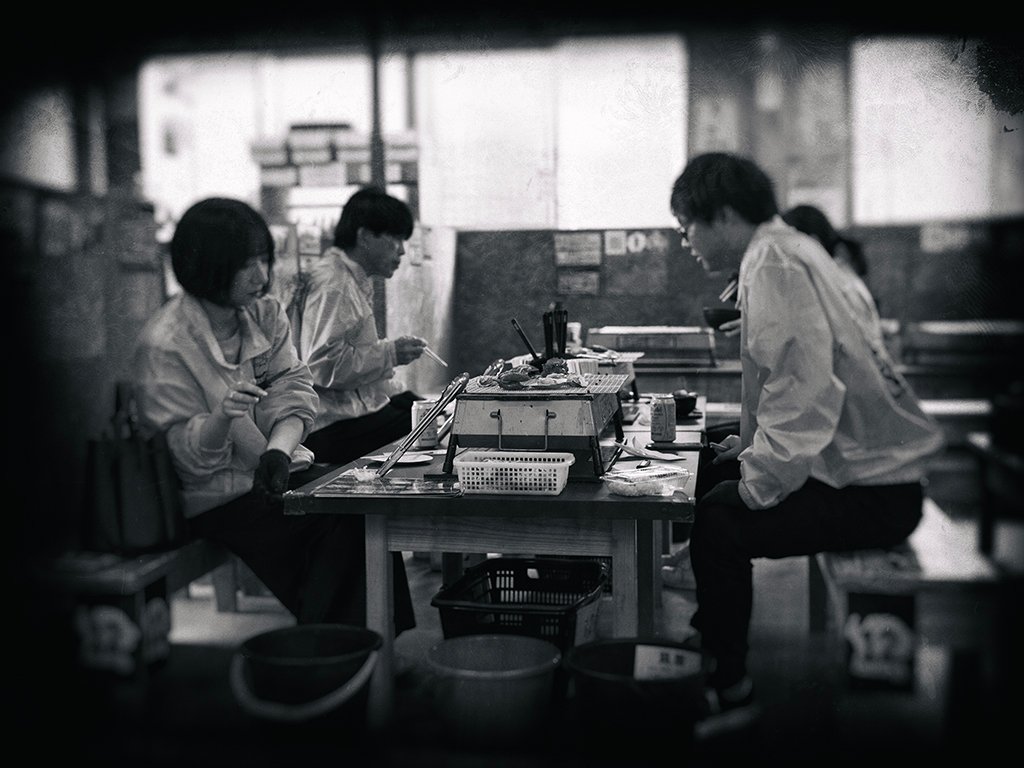
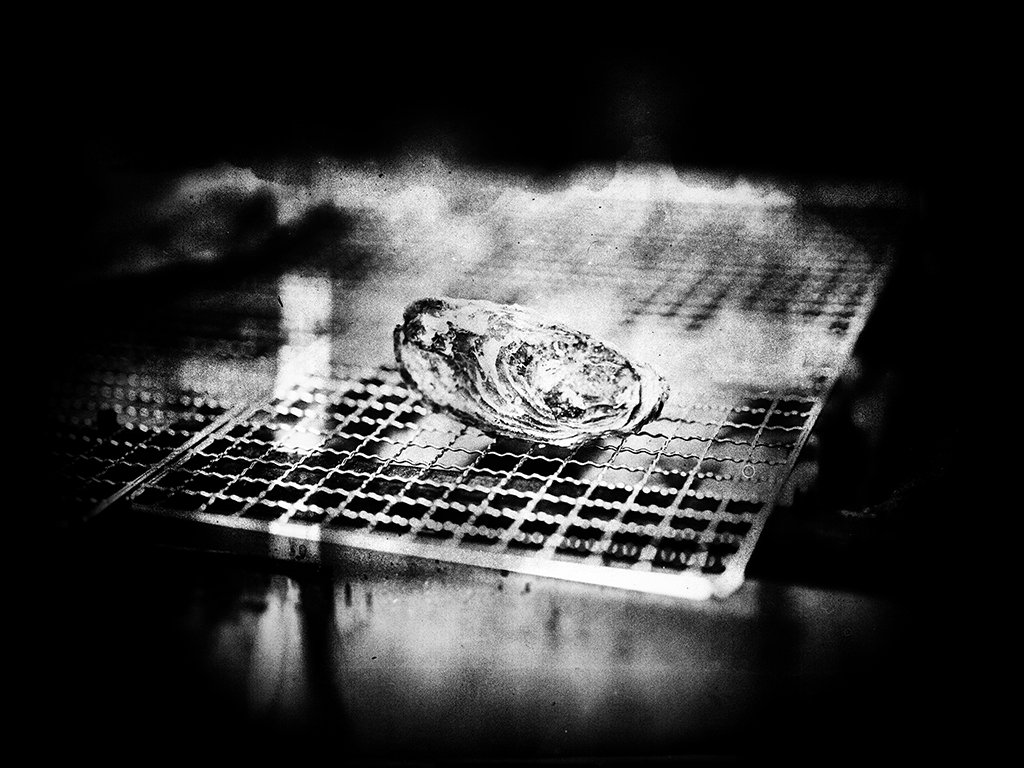
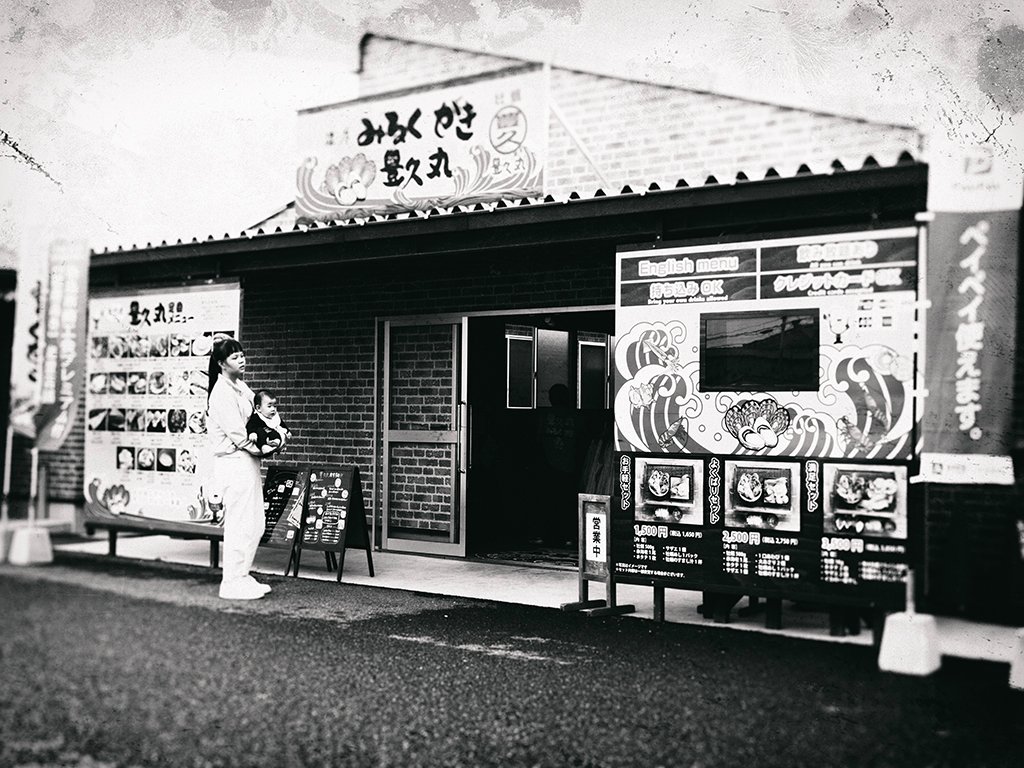
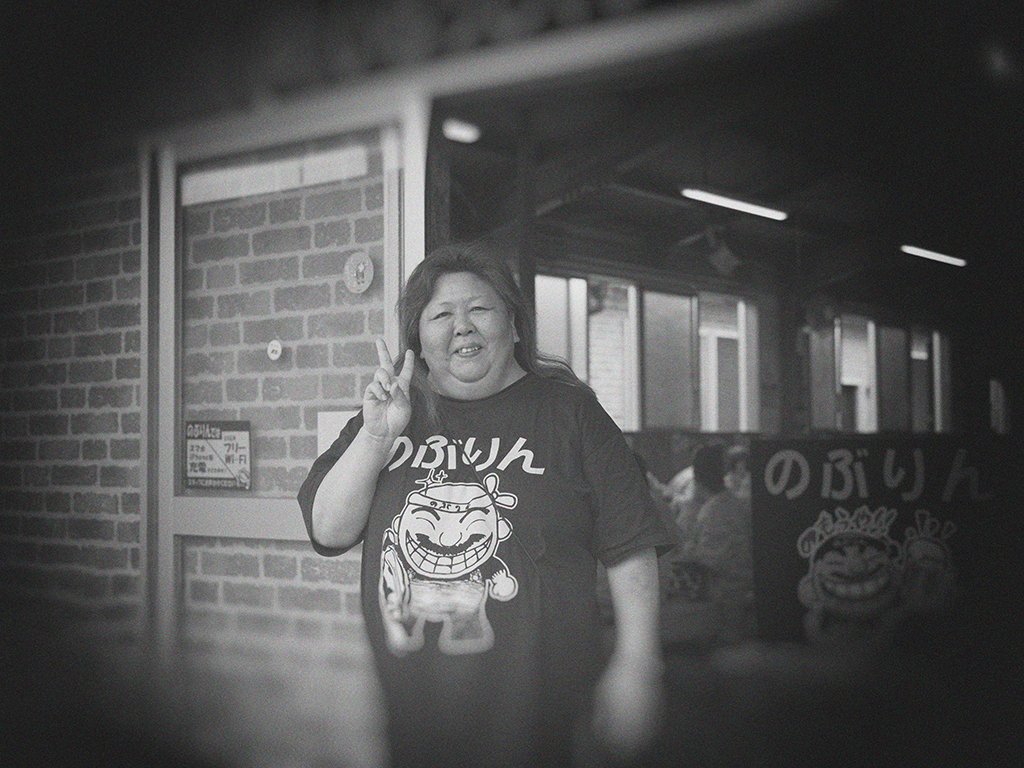
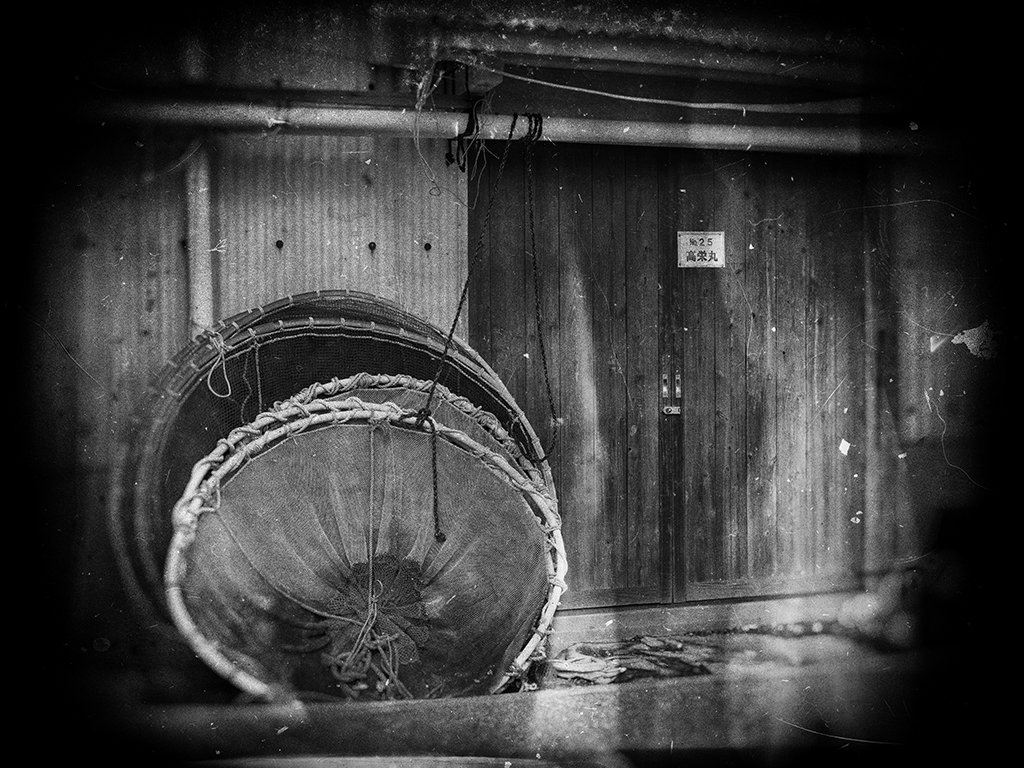
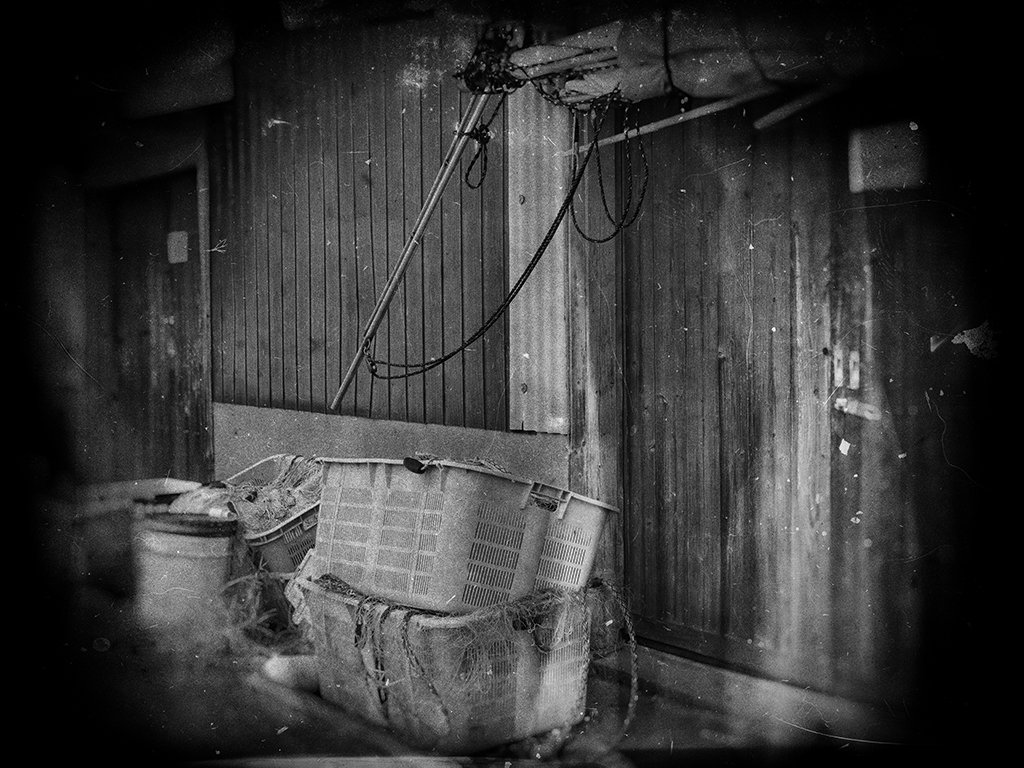
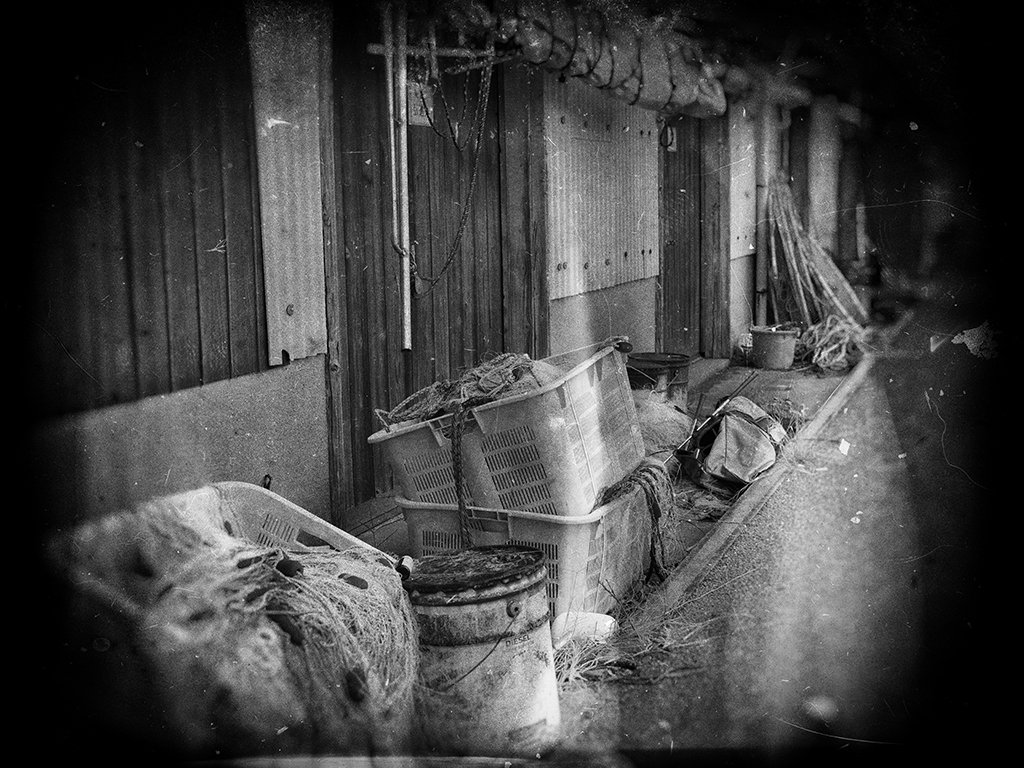
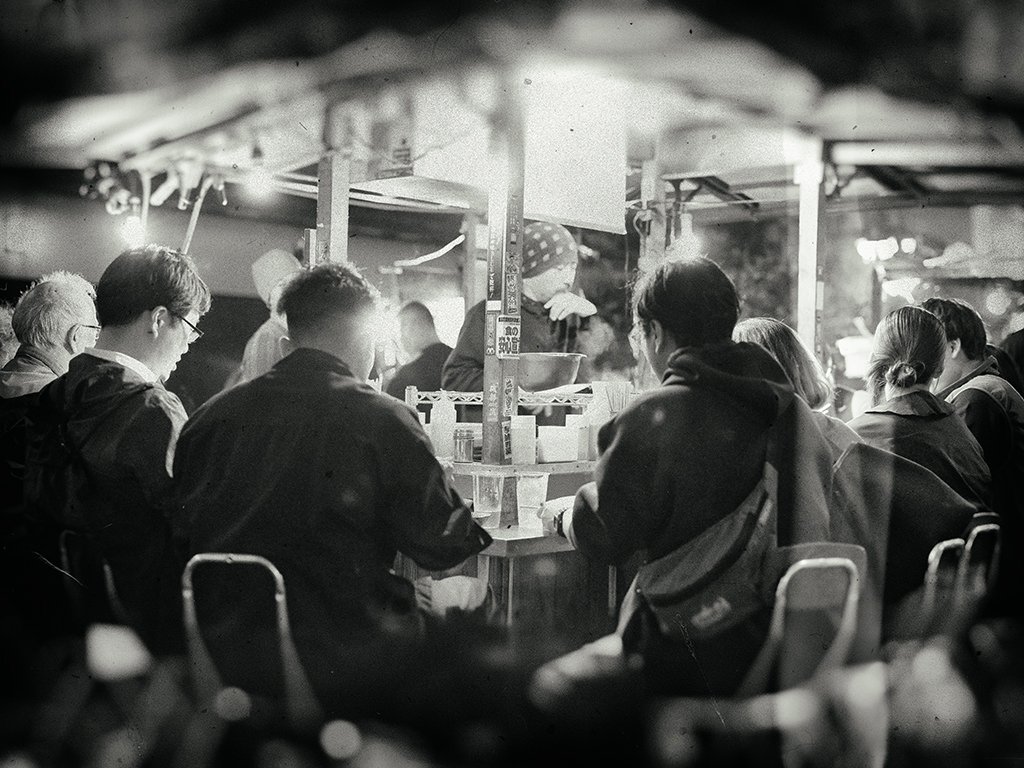
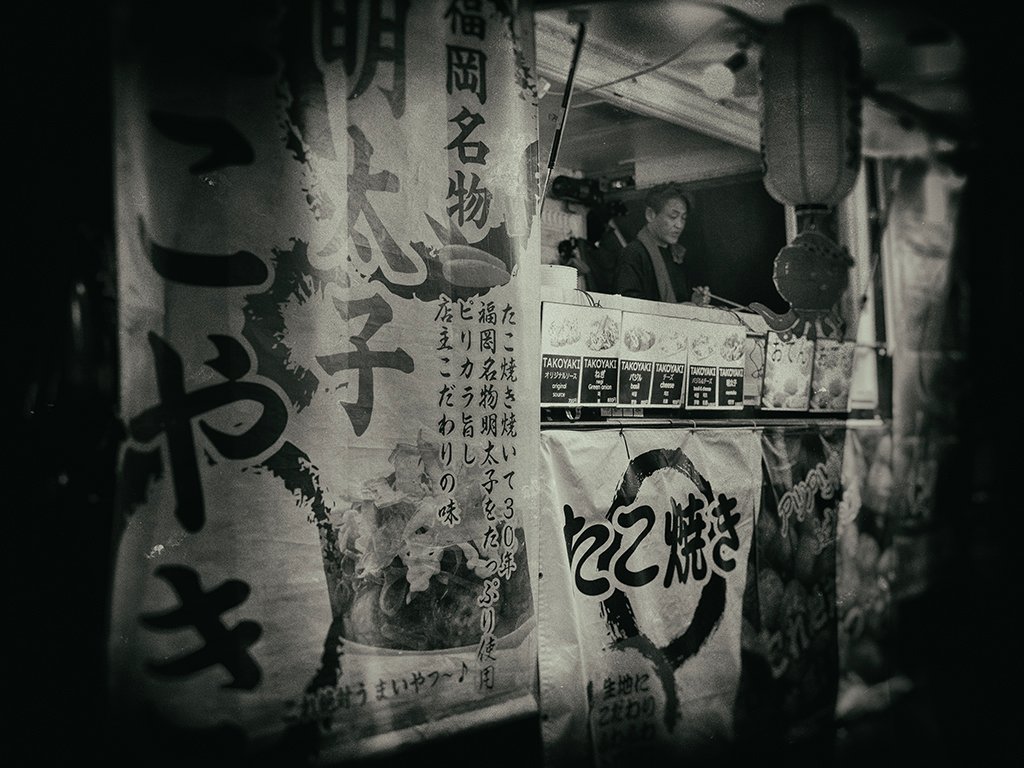
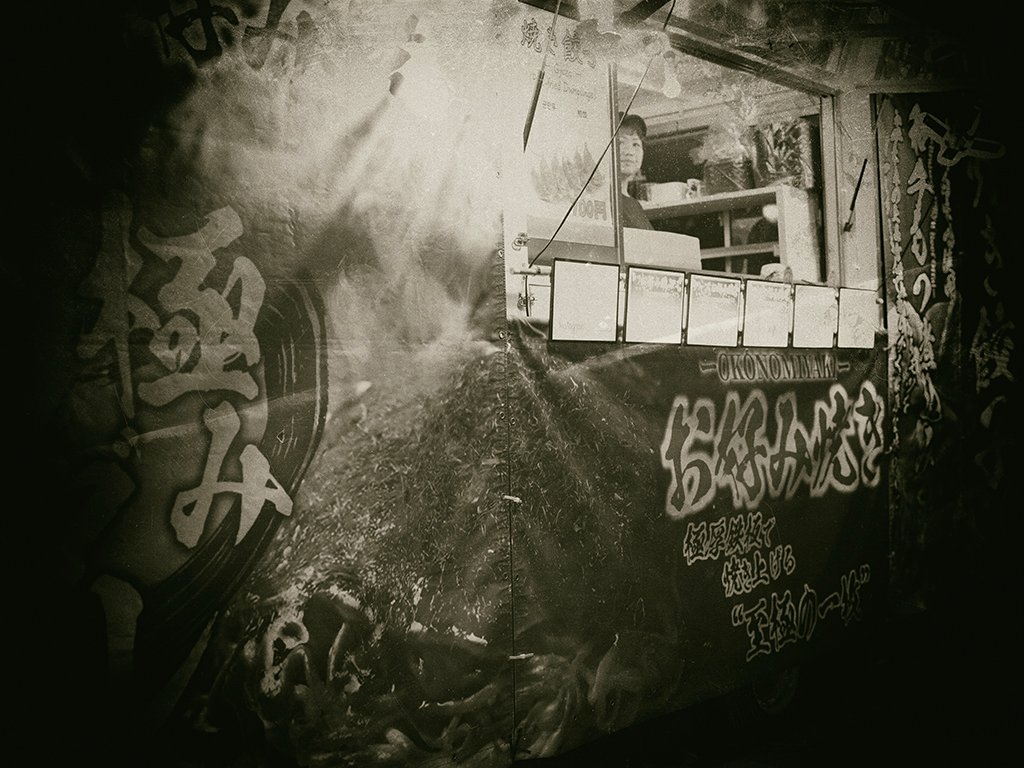
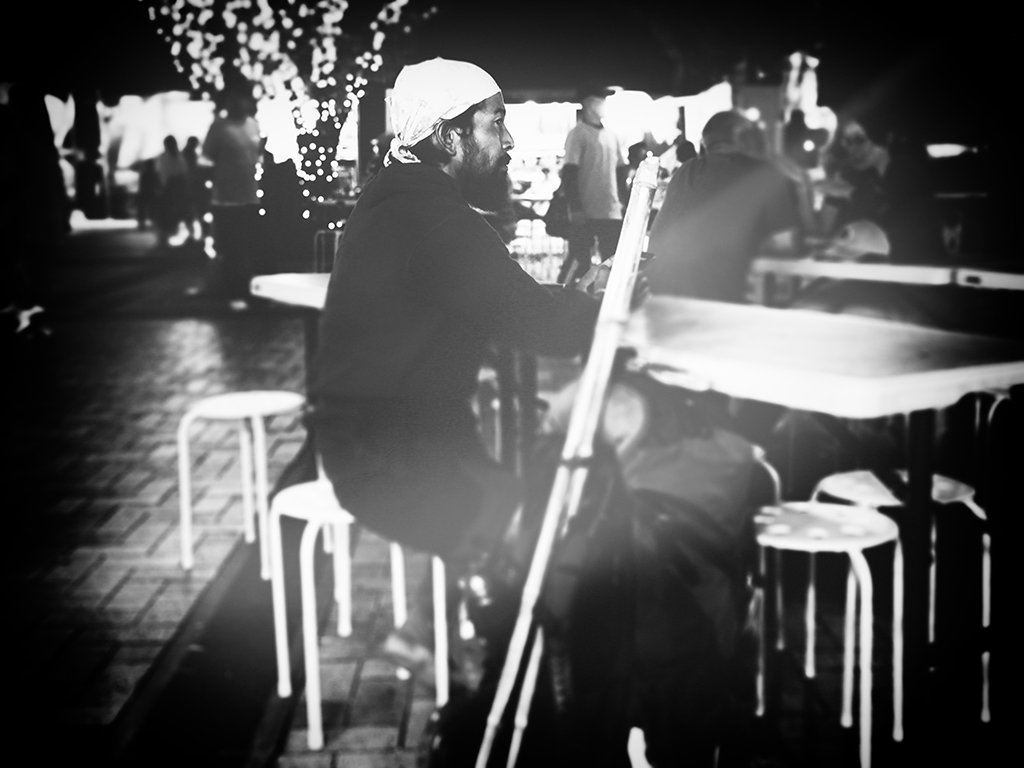
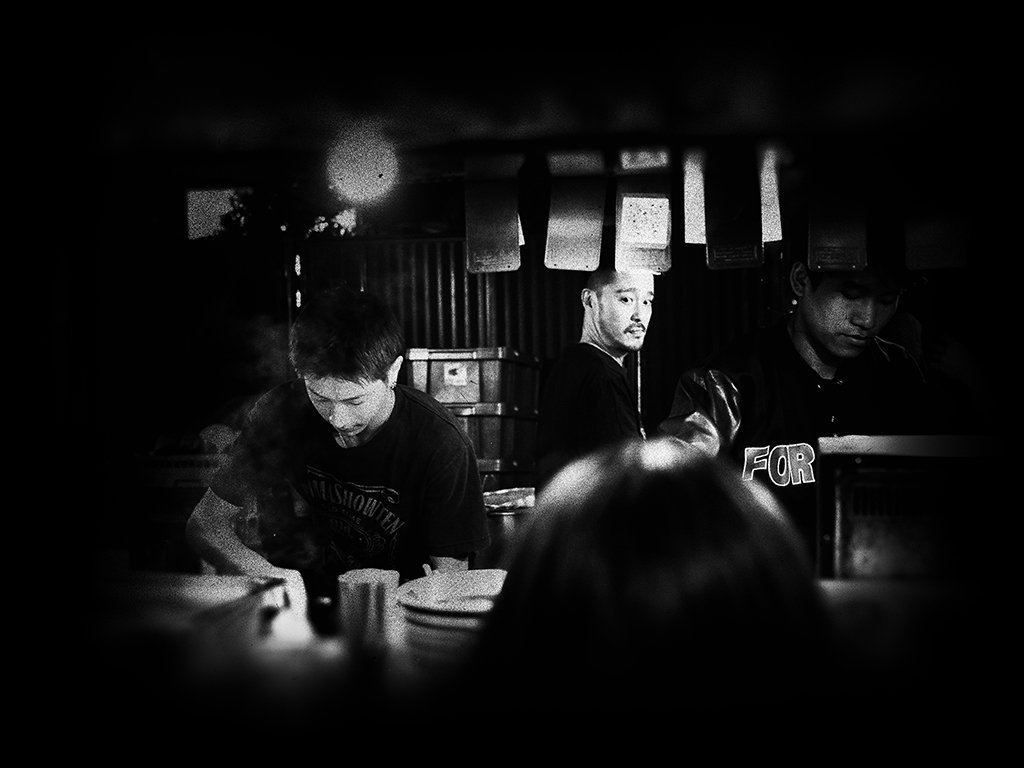
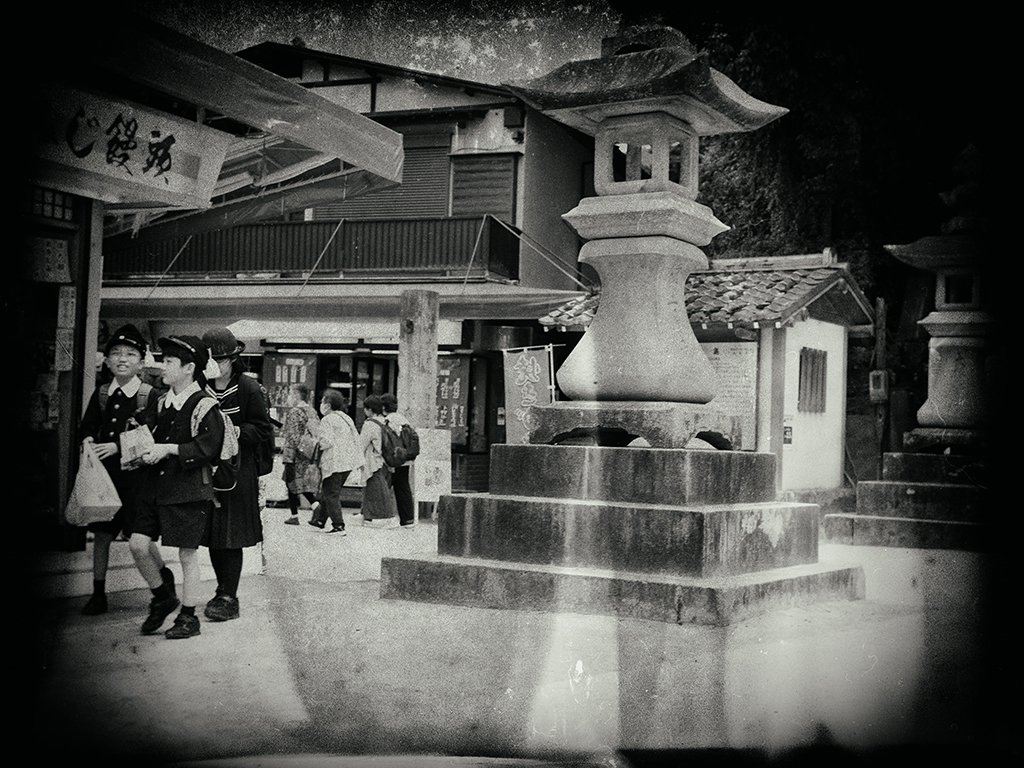
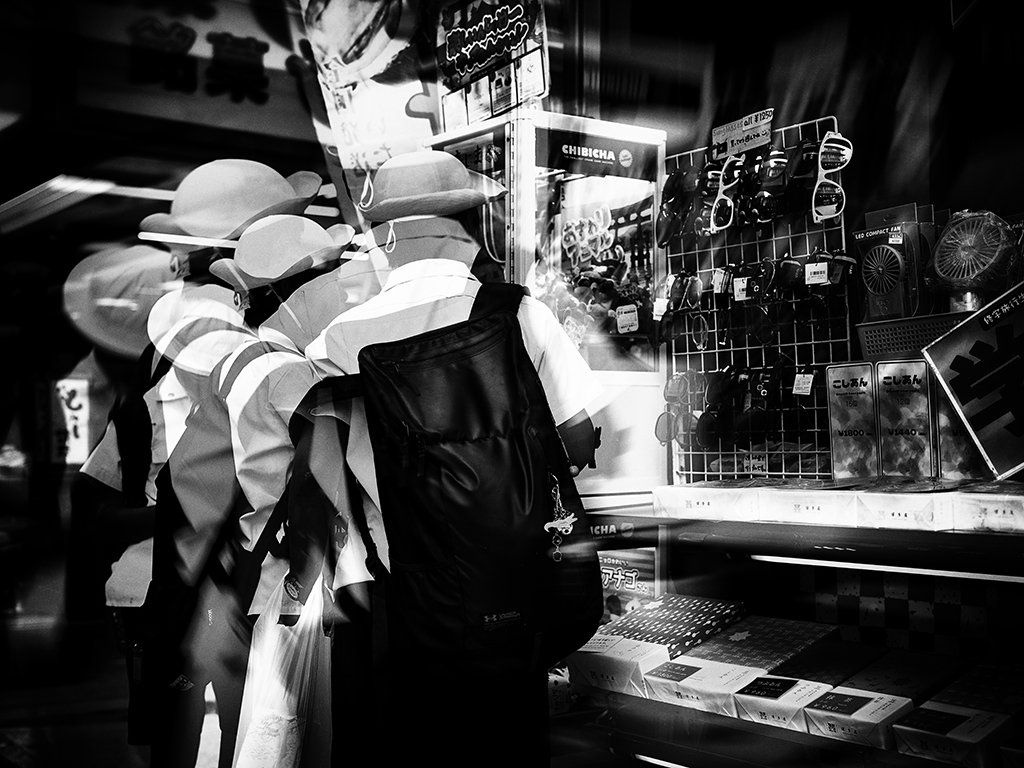
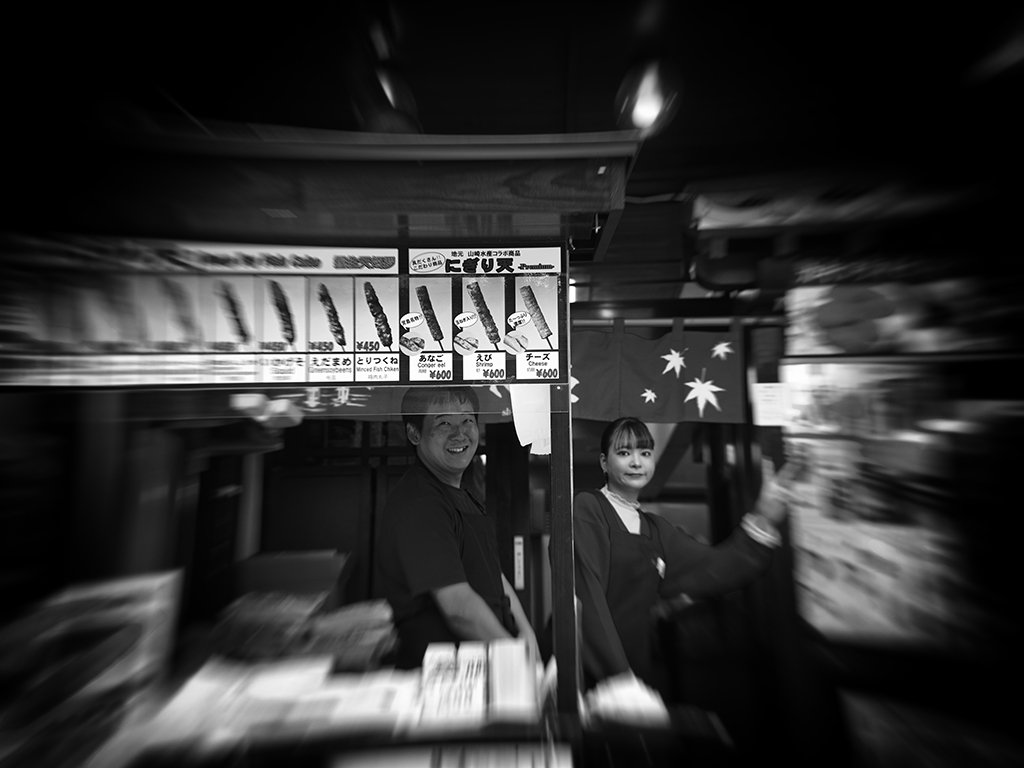
Together, are, bure, boke form a quiet rebellion. They emerged most famously through photographers like Daido Moriyama and Takuma Nakahira, who turned away from pristine composition and technical purity. Their images were raw, unstable, often “flawed” by conventional standards. But those flaws became the language itself.
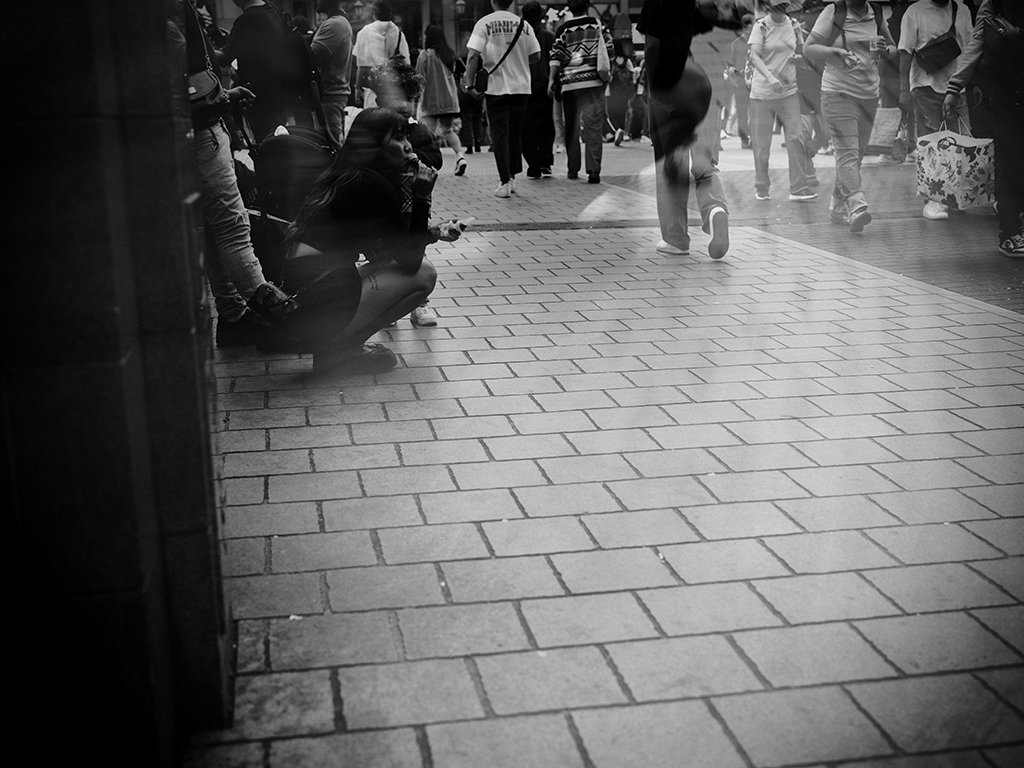
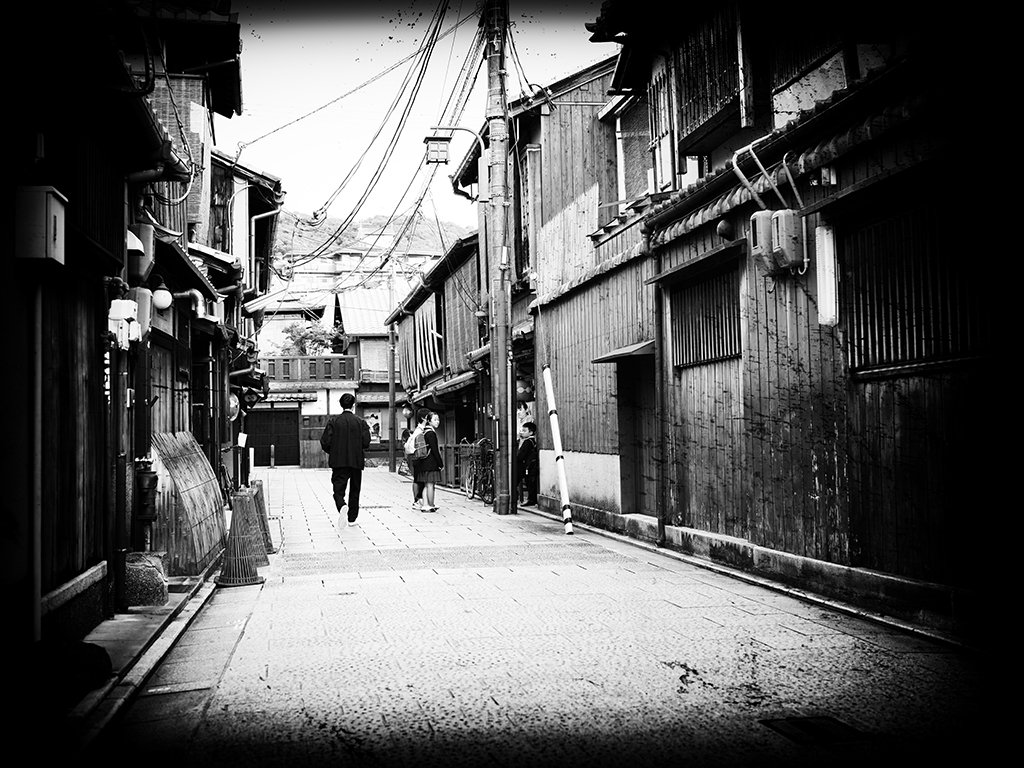
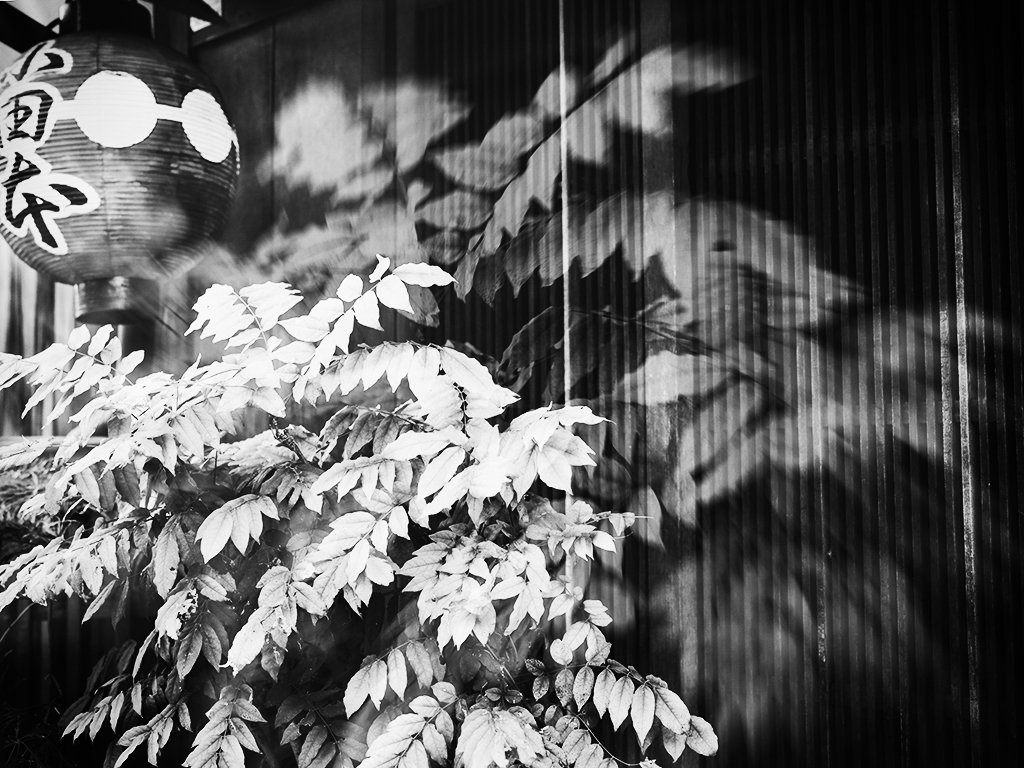
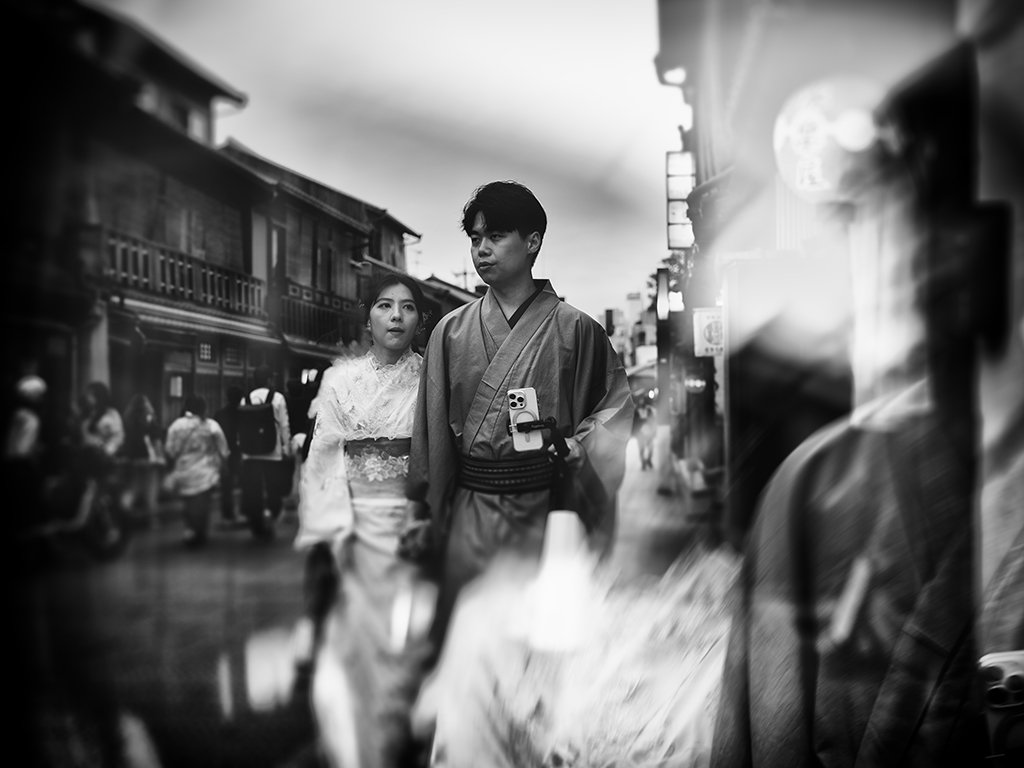
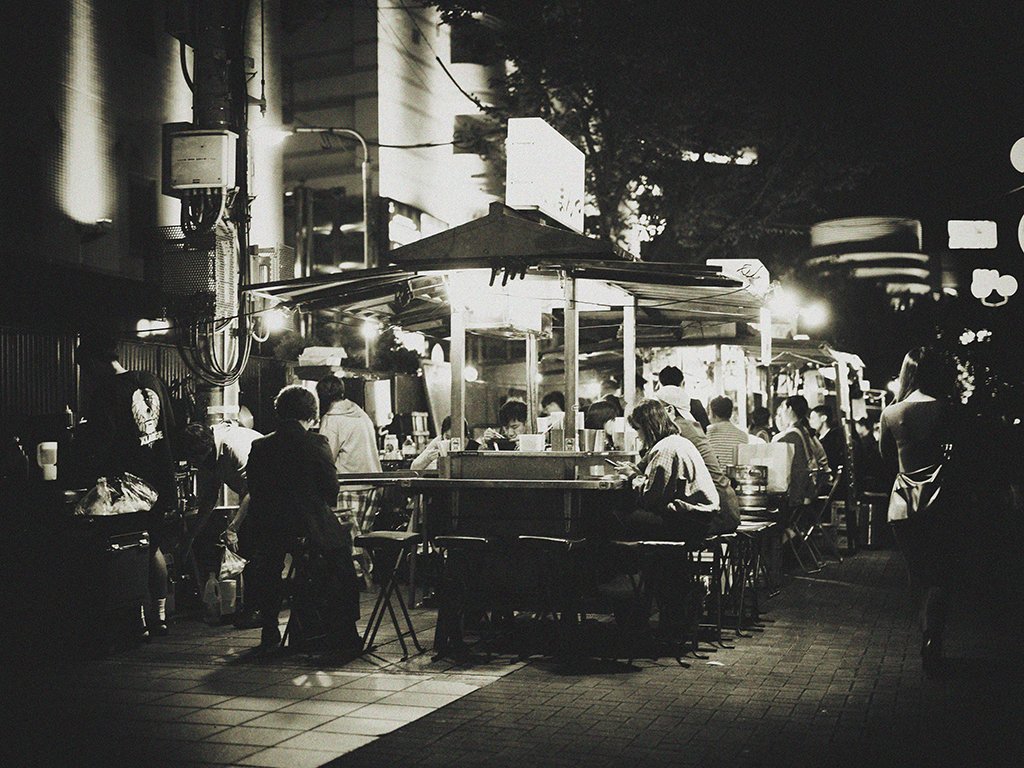
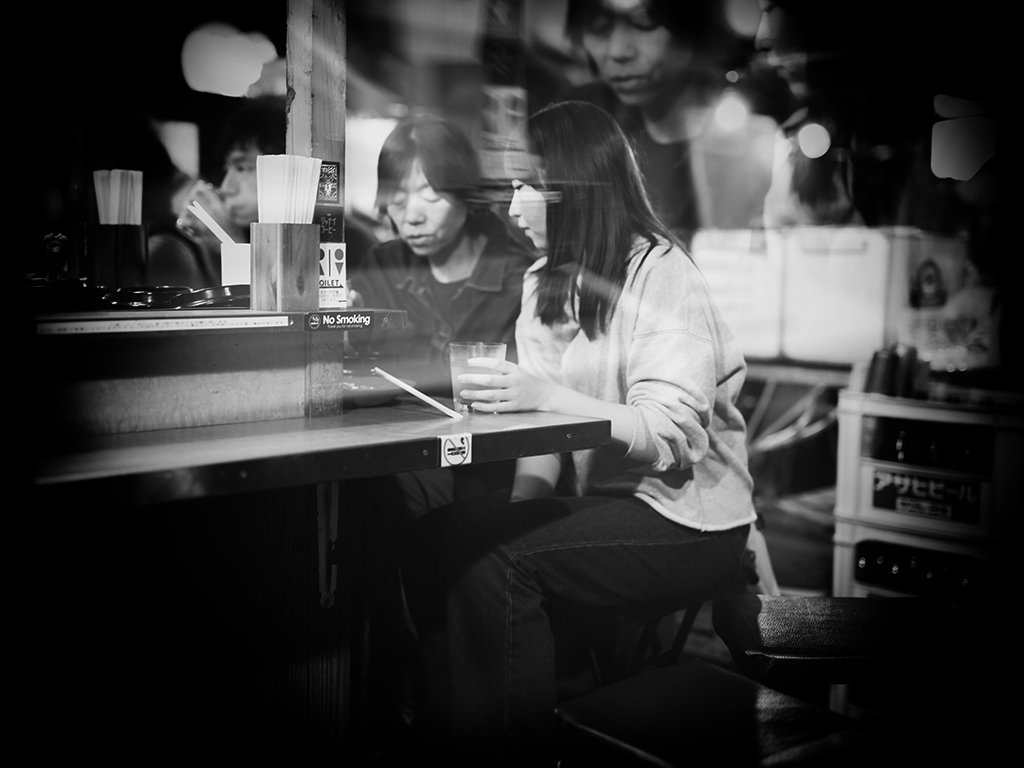
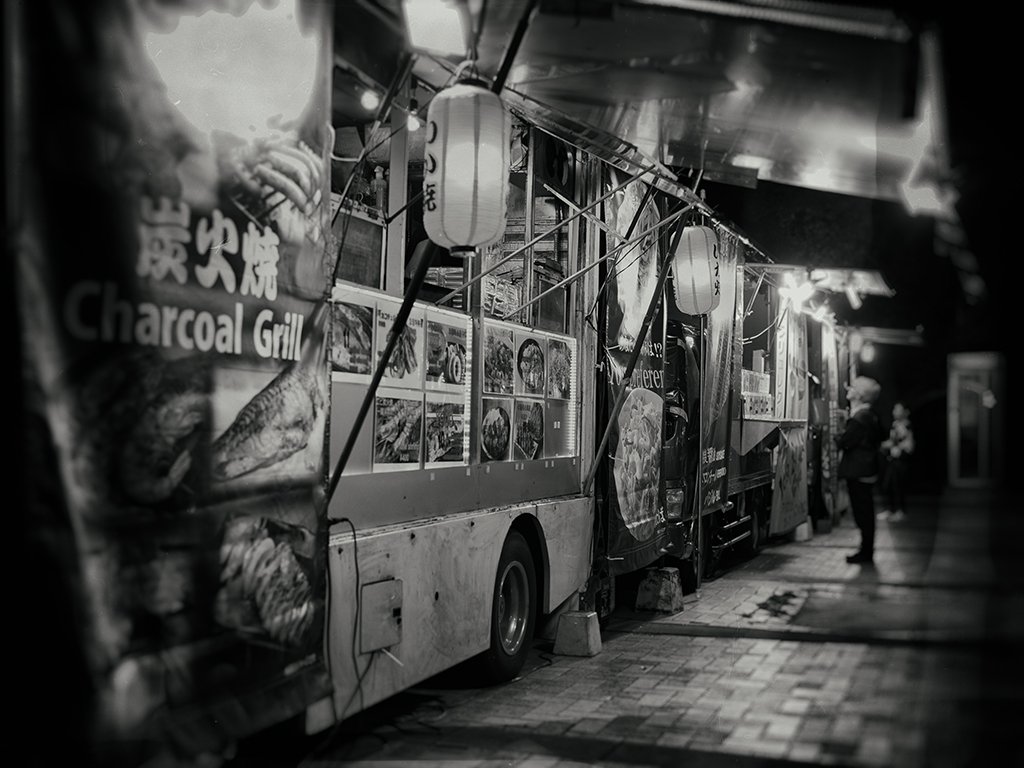
In their work, the city is not clean. People are not frozen in ideal form. Light misbehaves. Focus slips. The camera feels less like a measuring device and more like a body moving through space—breathing, shaking, reacting. The philosophy beneath it aligns with older currents in Japanese thought: wabi-sabi, the beauty of imperfection; the acceptance that transience and incompleteness are not problems to solve but conditions to inhabit.
A different kind of truth
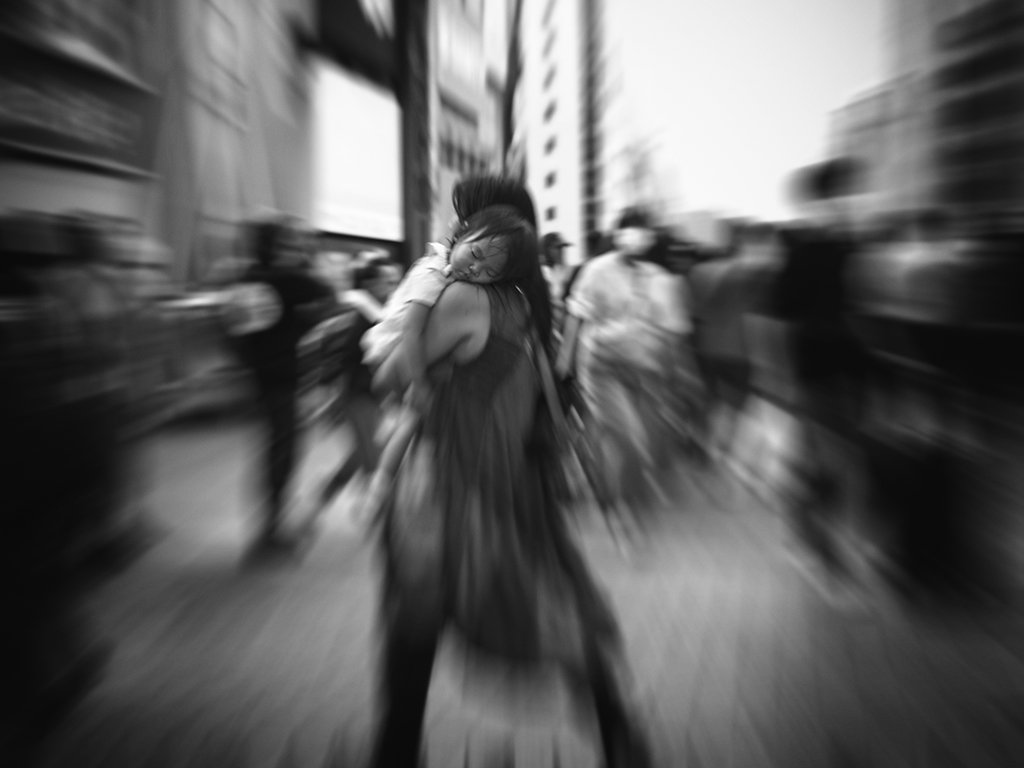
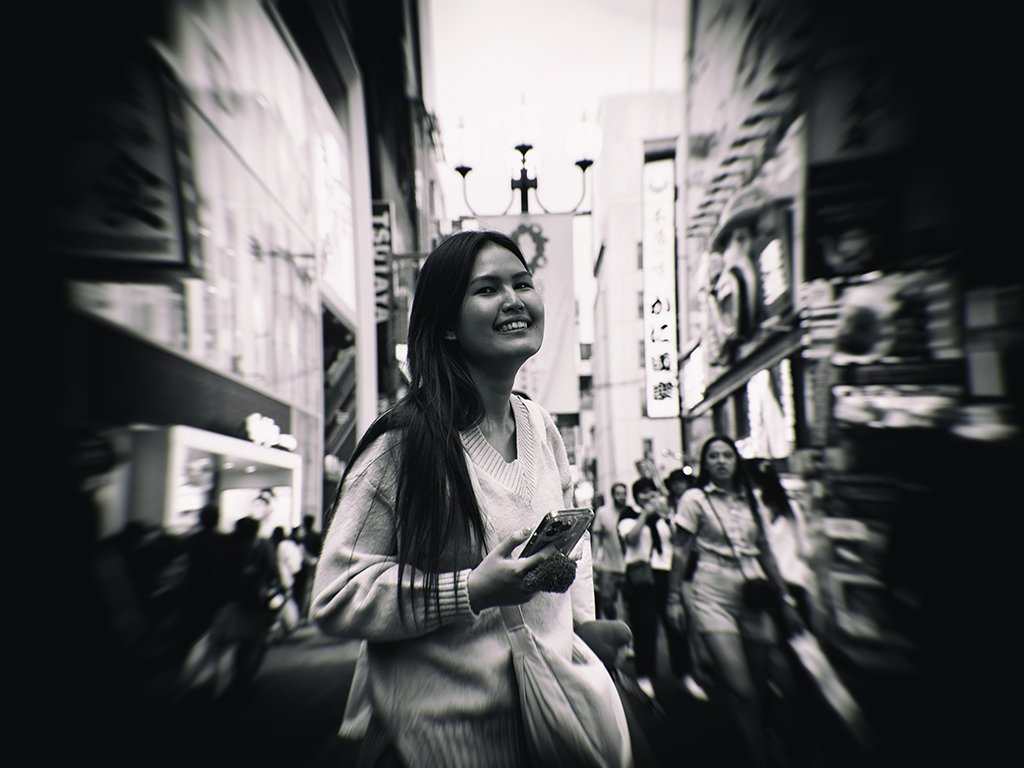
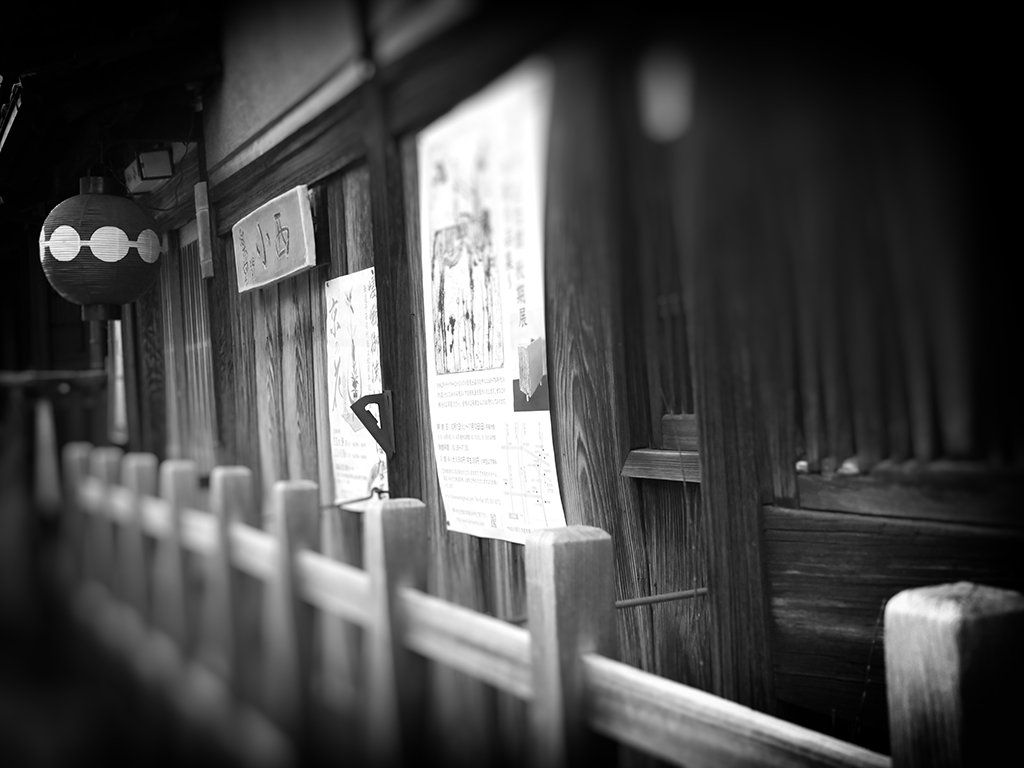
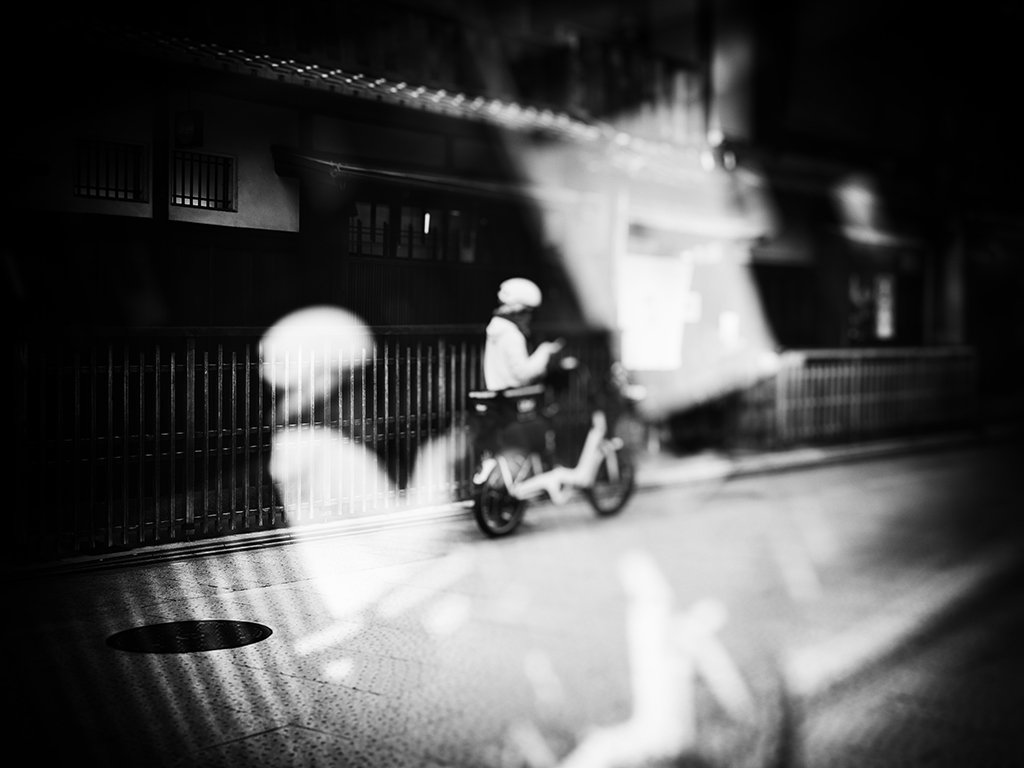
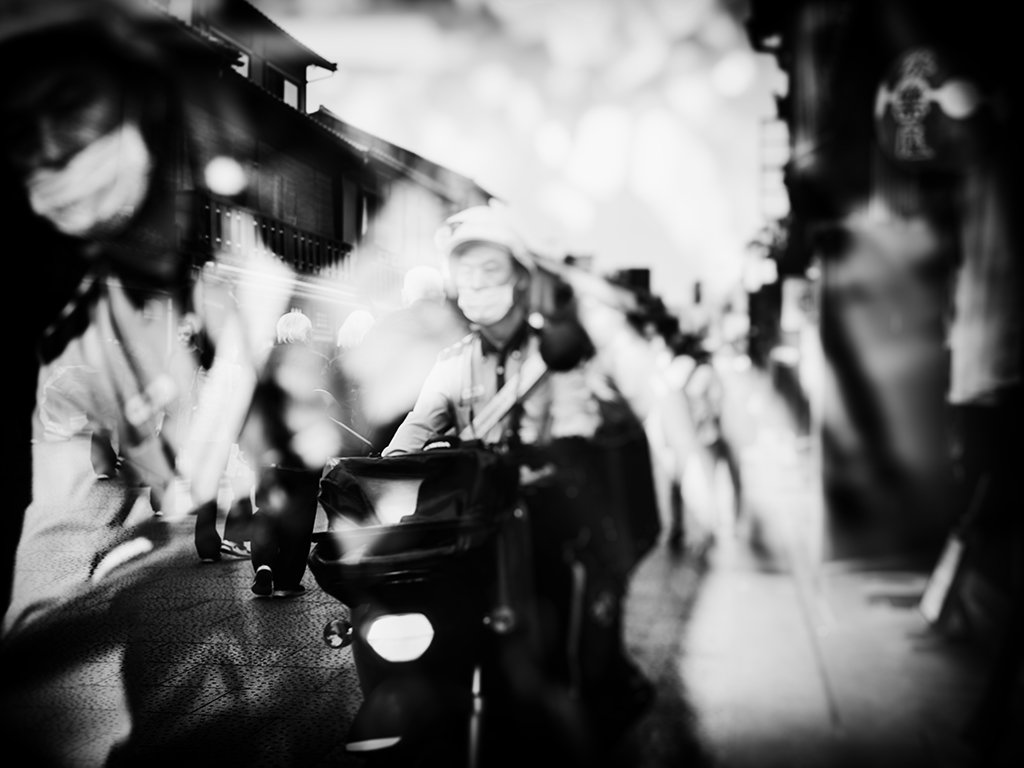
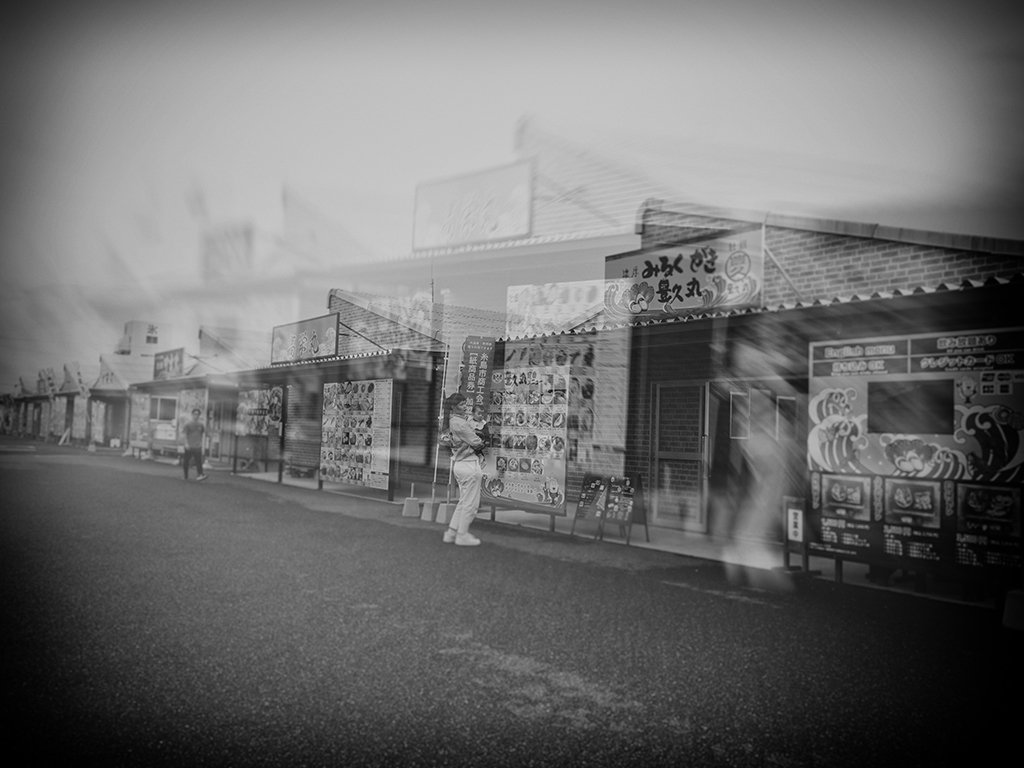
What are, bure, boke ultimately offer is not a style but a shift in what we consider truth in an image. Sharpness, clarity, and technical perfection suggest a world that can be controlled, paused, and fully understood. But life resists that. It is noisy (are), unstable (bure), and often unclear (boke).
To photograph with this triad in mind is to stop correcting the world and start witnessing it. A fleeting glance. A passing train. A face you almost recognize but can’t quite hold in focus. The image slips, fractures, softens—and in doing so, becomes closer to how we actually experience being alive.